

CBSE vs ICSE: Key Differences That Actually Matter for Indian Students
When it comes to school boards in India, CBSE, the Central Board of Secondary Education, is the most widespread board, focused on standardized testing and national curriculum alignment. Also known as Central Board of Secondary Education, it’s the go-to for families planning for competitive exams like JEE and NEET. On the other side, ICSE, the Indian Certificate of Secondary Education, run by the CISCE, emphasizes broader learning, detailed syllabi, and strong English language skills. Also known as Council for the Indian School Certificate Examinations, it’s preferred by families aiming for international education or schools with deeper subject exploration. These aren’t just different names—they shape how students think, study, and prepare for the future.
CBSE is leaner. Its syllabus is streamlined, with a clear focus on science and math, making it easier to cram for exams and align with coaching institutes. ICSE, by contrast, covers more ground—literature, environmental science, and project work aren’t afterthoughts, they’re required. If your child thrives on reading, writing, and understanding context over memorization, ICSE gives them room to breathe. But if they’re headed toward engineering or medicine, CBSE’s structure matches the exam patterns they’ll face in JEE and NEET. That’s not coincidence—it’s design. CBSE is built for speed and scale. ICSE is built for depth and expression. Neither is better. But one fits better for your child’s path.
And it’s not just about the syllabus. CBSE schools dominate across India, from small towns to metros, so switching schools mid-year is easier. ICSE schools are fewer, often private, and more expensive. But they tend to have smaller classes and more teacher-student interaction. If you’re planning to move abroad, both are accepted—U.S. colleges look at transcripts, not board names—but ICSE’s heavy focus on English can help with TOEFL or SAT writing. CBSE students often need to catch up on essay structure, while ICSE students already write like they’re preparing for college.
What you choose now affects how your child studies in Class 11 and 12, how they handle pressure, and even how they talk about their education later. There’s no single right answer. But knowing the difference between CBSE vs ICSE helps you make a choice based on your child’s strengths, not just what’s popular.
Below, you’ll find real stories and data from parents, students, and experts who’ve been through both systems—what worked, what didn’t, and what no one tells you until it’s too late.

- By Nolan Blackburn
- /
- 27 Mar 2026
Which Board Has Highest Value in India? A Complete Guide for Parents and Students 2026
Compare school boards in India like CBSE, ICSE, and IB to understand their real value for career and higher education.
- By Nolan Blackburn
- /
- 10 Feb 2026
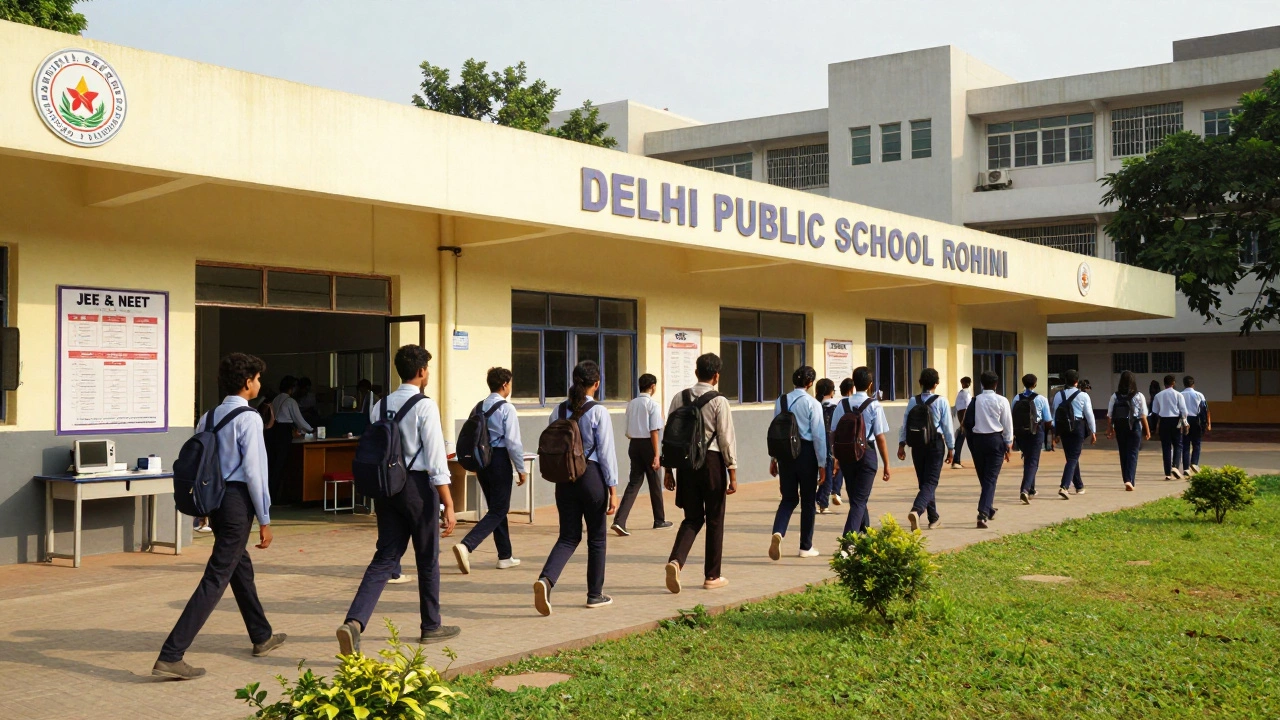
Is Delhi Public School ICSE or CBSE? Here's the Real Answer
Delhi Public School mostly follows CBSE, but some campuses use ICSE. Learn which board your child's campus uses and how it affects their future in JEE, NEET, or studying abroad.
- By Nolan Blackburn
- /
- 10 Oct 2025
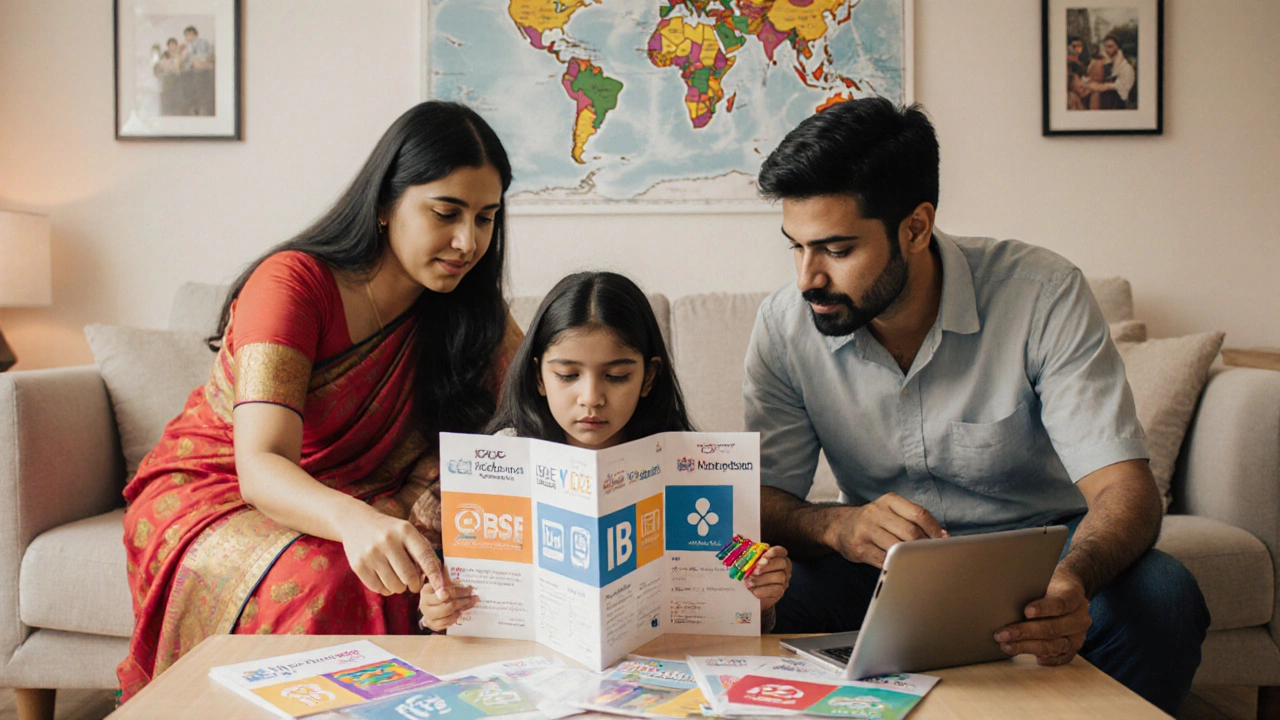
Choosing the Best Syllabus for Your Child: CBSE, ICSE, IB & More
A practical guide helps parents compare CBSE, ICSE, IB, Montessori and other curricula to find the best syllabus for their child's learning style, goals and future plans.