

Can you really learn English from YouTube? The answer isn’t a simple yes or no-it’s yes, if you know how to use it right. Millions of people around the world are using YouTube to improve their English every day. But not everyone succeeds. The difference? Strategy. You can’t just watch random videos and expect fluency. You need structure, repetition, and active practice.
YouTube Isn’t a Course-It’s a Library
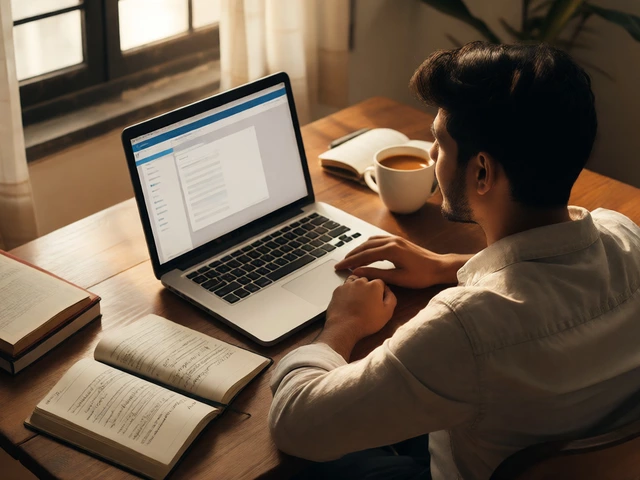
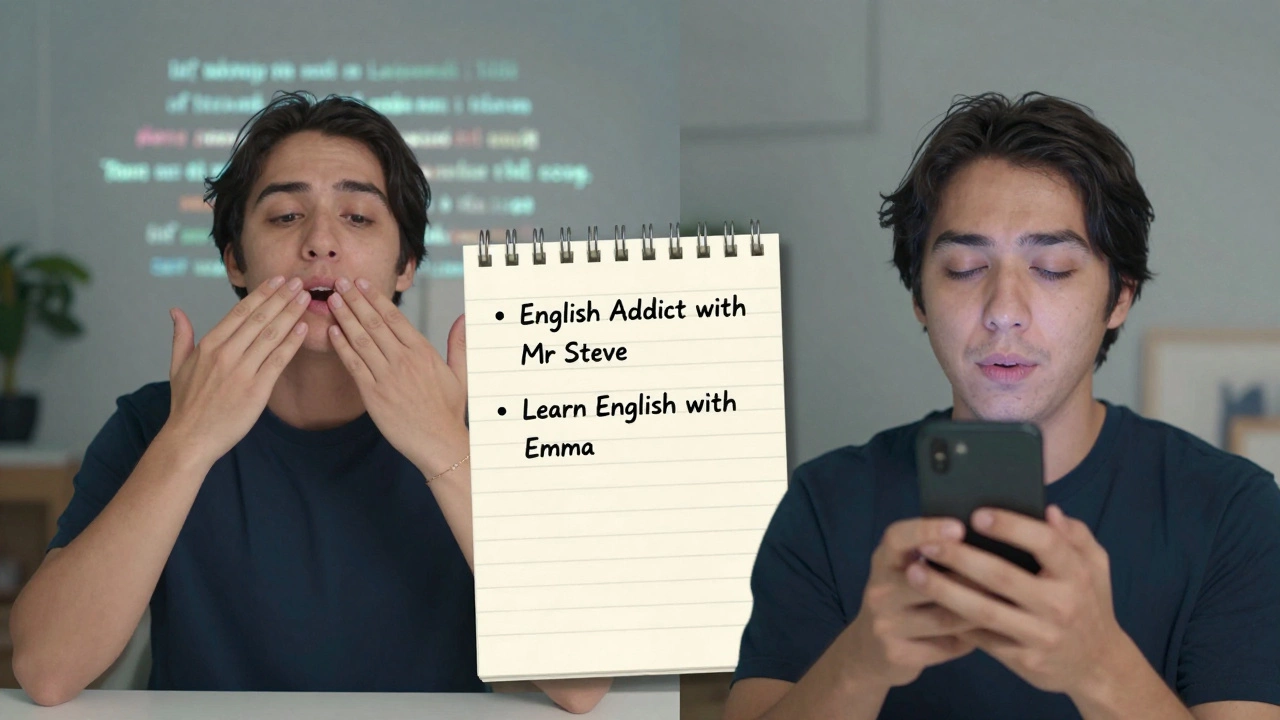
Think of YouTube like a giant library full of English learning materials. There are videos for beginners, intermediate learners, advanced speakers, and even people preparing for IELTS or TOEFL. But unlike a structured course, YouTube doesn’t guide you step by step. You have to build your own path.For example, if you’re stuck on pronunciation, you can find channels like Rachel’s English is a popular YouTube channel that teaches American English pronunciation, intonation, and connected speech with clear visual breakdowns. If you want to understand native speakers faster, try English Addict with Mr Steve offers daily conversations, slang, and real-life situations with slow, clear speech and subtitles. Need grammar? Learn English with Emma breaks down complex grammar rules into short, digestible lessons with examples you can use immediately.
These aren’t just random clips. Each channel has a consistent teaching style, clear goals, and often a sequence of videos that build on each other. You can follow a 30-day challenge on one channel, then move to another for speaking practice. The key is to treat each video like a lesson-not entertainment.
What Works: The 4 Pillars of Learning English on YouTube
Successful learners on YouTube follow four core habits:- Listen daily-even 15 minutes. Pick one video and replay it three times. First, watch with subtitles. Second, watch without. Third, close your eyes and just listen. This trains your ear to catch words you miss.
- Shadowing-repeat what the speaker says out loud, right after they say it. Don’t pause. Don’t think. Just mimic the rhythm, tone, and speed. This builds muscle memory for speaking. Channels like mmmEnglish specialize in natural English phrases and have perfect shadowing practice videos.
- Take notes-write down new phrases, idioms, or grammar structures. Don’t just copy. Rewrite them in your own sentences. For example, if you hear “I’m swamped,” write: “I’m swamped with work this week.” Now it’s yours.
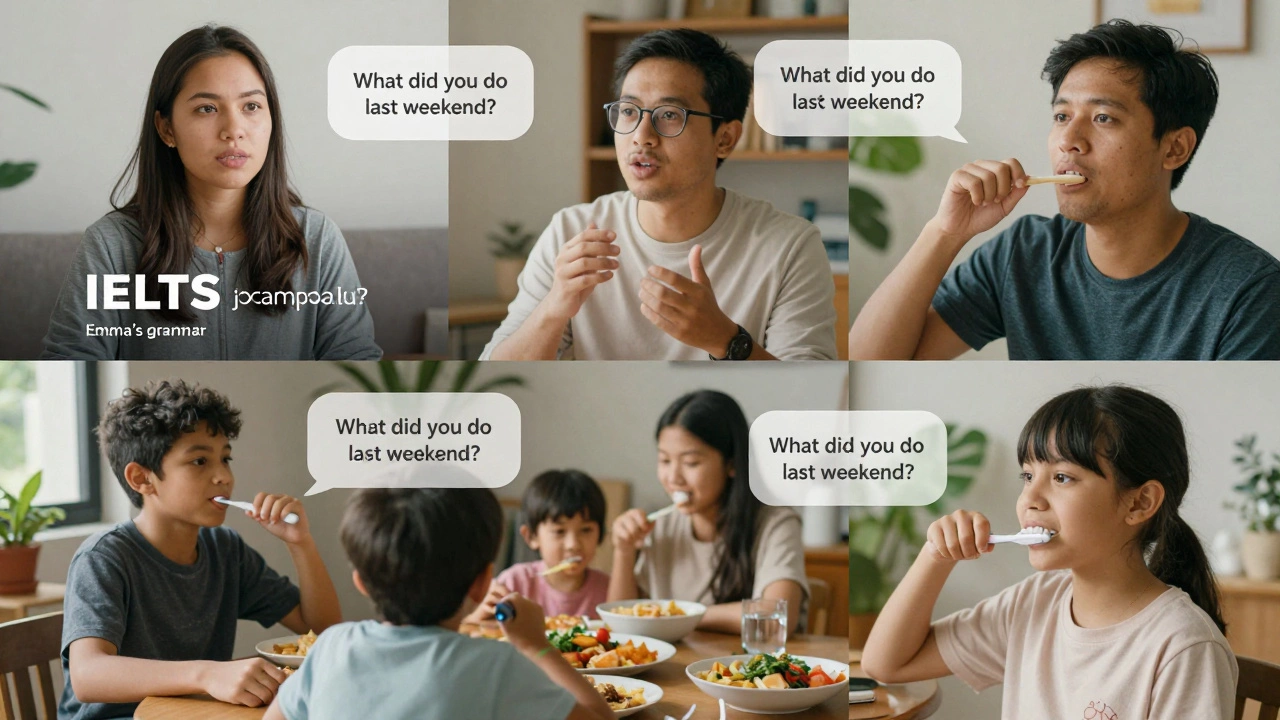
- Speak back-after watching, pause the video and answer the questions the speaker asked. If they say, “What did you do last weekend?” pause and say it out loud. Record yourself. Listen. Compare. This is how you turn passive listening into active speaking.
These aren’t tips. They’re habits. Do them every day for three months, and you’ll notice a shift in how you understand and speak English.
Why Most People Fail on YouTube
You’ve probably tried this: you found a cool video, watched it once, felt inspired, then never opened YouTube again. That’s the trap. YouTube is designed for short attention spans. It’s full of distractions-recommended videos, ads, comments, notifications.Most learners fail because they:
- Watch passively-no note-taking, no repetition, no speaking
- Jump between channels every day-no consistency
- Wait to feel “ready” before speaking
- Think watching = learning
Learning a language isn’t about exposure. It’s about output. If you don’t speak, write, or repeat, you’re not learning-you’re just hearing.
One learner from Manila told me she watched 500 videos in six months but still couldn’t order coffee in English. Why? She never repeated a single phrase. She never recorded herself. She just clicked and watched. That’s not learning. That’s background noise.
How to Build Your Personal YouTube English Plan
Here’s a simple 30-day plan anyone can follow:- Week 1: Focus on listening-pick one channel. Watch 1 video per day. Use subtitles. Write down 3 new words or phrases. Listen again without subtitles.
- Week 2: Start shadowing-pick 3 short clips (under 2 minutes). Shadow each one 5 times. Record yourself on Day 7 and compare.
- Week 3: Speak out loud-after each video, answer 1 question out loud. Use a mirror or record on your phone. Don’t worry about mistakes. Just speak.
- Week 4: Mix it up-watch a video on grammar, one on slang, one on business English. Write a short paragraph using everything you learned.
At the end of 30 days, you’ll have spoken English out loud 30+ times. You’ll have heard natural speech patterns. You’ll have a notebook full of phrases you actually use. That’s progress.
Real Results: Stories from Real Learners
A 22-year-old from Jakarta used YouTube to go from basic English to passing IELTS 7.0 in 8 months. She didn’t take a single class. She watched Learn English with Emma for grammar, English Addict with Mr Steve for listening, and Speak English with Vanessa offers daily speaking challenges and real-time feedback on common mistakes for practice. She recorded herself every day. She sent her recordings to a tutor on iTalki once a week. That’s how she did it.A 35-year-old father in São Paulo improved his English enough to get promoted at work. He watched YouTube videos during his commute. He practiced shadowing while brushing his teeth. He started speaking English with his kids at dinner. He didn’t study-he integrated.
You don’t need money. You don’t need a classroom. You need consistency.
What You Should Avoid
Not all YouTube content helps. Avoid these:- Videos with no subtitles-unless you’re already at an advanced level
- Fast-talking vloggers without clear speech
- “Learn English in 7 Days” hype videos-they promise magic, not method
- Channels that only teach vocabulary lists without context
Stick to channels that show you how to use English, not just what words to memorize.
Free Tools to Boost Your YouTube Learning
You can make YouTube even more powerful with these free tools:- Language Reactor-a browser extension that lets you see dual subtitles, slow down playback, and save phrases to flashcards.
- Notion or Google Docs-create a simple log: Date, Video Title, New Phrases, My Sentence.
- Vocaroo-record your voice in seconds and replay it. No account needed.
These tools turn passive watching into active learning.
Can YouTube Replace a Teacher?
No. But it can replace a textbook. And it can replace expensive classes if you’re disciplined.A teacher gives you feedback, corrects your mistakes, and pushes you. YouTube can’t do that. But if you combine YouTube with one weekly session on a platform like iTalki is a platform connecting learners with native English tutors for affordable one-on-one speaking practice, you’re building a system that’s cheaper, flexible, and more effective than traditional courses.
Think of YouTube as your daily practice. Think of iTalki as your weekly check-up. Together, they work.
Final Thought: You Already Have Everything You Need
You don’t need to buy a course. You don’t need to move abroad. You don’t need to wait for the perfect time. You have a phone. You have YouTube. You have 15 minutes a day.Start tomorrow. Pick one video. Watch it. Shadow it. Speak it. Write it down. Do that for 30 days. Then check back. You’ll be surprised.
Can I learn English speaking only from YouTube?
Yes, you can improve your speaking skills using YouTube, but only if you actively practice-not just watch. Listening alone won’t make you speak. You need to repeat phrases out loud, record yourself, and mimic native speakers. Combining YouTube with weekly speaking practice (like on iTalki) gives you the best results.
Which YouTube channels are best for beginners?
For beginners, start with channels that speak slowly and clearly: English Addict with Mr Steve, Learn English with Emma, and Speak English with Vanessa. They use simple vocabulary, show subtitles, and explain grammar in context. Avoid fast-paced vlogs or native-only conversations until you’re comfortable with basic sentences.
How long does it take to see improvement?
Most learners notice a difference in listening and speaking within 30 days if they practice daily. After 3 months, you’ll understand native speakers better, speak more fluently, and feel less nervous. The key is consistency-not how many videos you watch, but how often you speak and repeat.
Do I need subtitles?
Yes, especially if you’re not advanced. Subtitles help you connect sounds with spelling. Start with English subtitles, then try watching without them. After a few weeks, you’ll start recognizing words without reading. Don’t remove subtitles too soon-you’ll miss details.
Is YouTube better than apps like Duolingo?
YouTube is better for listening and speaking. Duolingo is good for vocabulary and grammar drills, but it doesn’t teach natural rhythm, tone, or real conversation. YouTube shows you how English sounds in real life. Use both: Duolingo for daily practice, YouTube for listening and speaking.
Can I learn English from YouTube without a tutor?
You can make serious progress without a tutor, but you’ll hit a plateau. A tutor corrects mistakes you can’t hear yourself. If you can’t afford one, use free tools like Language Reactor and record yourself. Compare your speech to the video. That’s self-correction. It’s not perfect, but it works.