
Montessori Curriculum: What It Is and How It Shapes Early Learning
When you hear Montessori curriculum, a child-centered educational approach developed by Dr. Maria Montessori in the early 1900s. Also known as Montessori education, it focuses on hands-on learning, independence, and respecting each child’s natural development pace. This isn’t just another teaching style—it’s a full environment designed to let kids explore, make choices, and build skills without being pushed or rushed. You won’t find rows of desks or timed tests here. Instead, you’ll see children sorting objects by size, pouring water, writing with sand trays, or choosing their next activity from a carefully arranged shelf.
The Montessori methods, a set of structured yet flexible practices rooted in observation and freedom within limits work because they match how young brains actually learn. Kids aren’t told what to do—they’re given tools and space to figure it out. A three-year-old might spend weeks mastering buttoning a shirt, not because they’re slow, but because the process builds focus, coordination, and confidence. The early childhood learning, the critical window from birth to age six when neural connections form fastest is exactly when this system shines. Teachers don’t lead lessons from the front—they watch, guide, and step back. This creates students who ask questions, solve problems, and stick with hard tasks because they’ve learned how to learn.
What makes the Montessori curriculum different from traditional preschools? It doesn’t force reading at five or math drills at six. Instead, it builds the foundation—fine motor skills, attention span, self-discipline—so those skills come naturally later. You’ll see kids as young as four reading chapter books, not because they were pushed, but because they were surrounded by language-rich materials and allowed to follow their curiosity. And it’s not just for elite schools. Montessori classrooms exist in public districts, rural towns, and urban centers around the world, proving it works for every kind of child.
Parents often ask: Is this just about letting kids do whatever they want? No. It’s about giving them meaningful choices within a prepared environment. A child picks their activity, but only from materials designed to teach something specific. They work alone or in small groups, but never idle. The rhythm is quiet, focused, and deeply intentional. This isn’t playtime disguised as learning—it’s learning that feels like play because it’s driven by the child’s own interest.
What you’ll find in the posts below are real stories from parents who switched to Montessori, teachers who trained in the method, and experts who’ve seen its long-term impact. Some explain how it helped kids with ADHD focus better. Others show how older siblings learned responsibility by helping younger ones. You’ll also see how the same principles apply beyond preschool—into elementary, even into homeschooling setups. Whether you’re considering Montessori for your child, curious about alternatives to traditional schooling, or just want to understand why it’s so widely respected, these posts give you the clear, no-fluff truth.
- By Nolan Blackburn
- /
- 10 Oct 2025
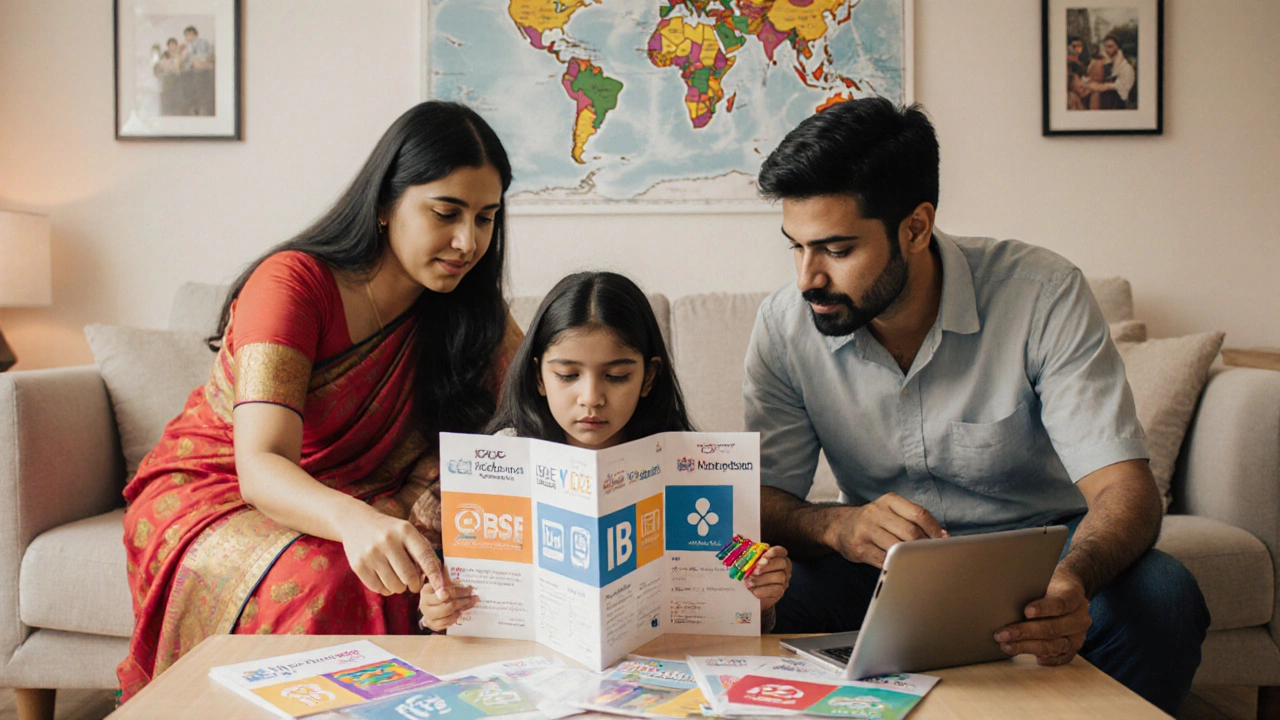
Choosing the Best Syllabus for Your Child: CBSE, ICSE, IB & More
A practical guide helps parents compare CBSE, ICSE, IB, Montessori and other curricula to find the best syllabus for their child's learning style, goals and future plans.