



Competition Stress Assessment Tool
How Competition Is Affecting You
Answer these questions honestly to understand if your competitiveness is helping or harming your exam preparation. This tool takes 2-3 minutes.
Your Assessment Results
Recommended Next Steps
Being competitive sounds like a strength. You push yourself harder, aim higher, and refuse to quit. But if you’re constantly measuring yourself against others - especially in high-stakes environments like competitive exams - that drive can turn into a weight you didn’t sign up for. It’s not about being lazy or giving up. It’s about realizing that the same trait that gets you to the top can also break you on the way.
You start losing joy in learning
When every study session becomes a race, you stop caring about understanding. You care about ranking. You stop asking, “Why does this work?” and start asking, “Will this be on the test?” That shift doesn’t just make learning boring - it makes it meaningless. I’ve seen students memorize entire chapters without ever connecting the dots. They aced mock tests but couldn’t explain the logic behind the formula. When your goal is beating someone else, not mastering the subject, you’re not learning. You’re gaming the system.
Comparison becomes your default setting
It starts with checking ranks. Then it’s scrolling through WhatsApp groups to see who got what score. Then it’s comparing study hours, coaching centers, even the number of notebooks filled. Before you know it, your self-worth is tied to a number on a screen. And here’s the cruel truth: someone will always do better. Someone always has a better coach, more time, fewer responsibilities. You can’t control those things. But you start blaming yourself anyway. That constant internal scoreboard? It doesn’t motivate. It drains you.
Physical and mental health take a backseat
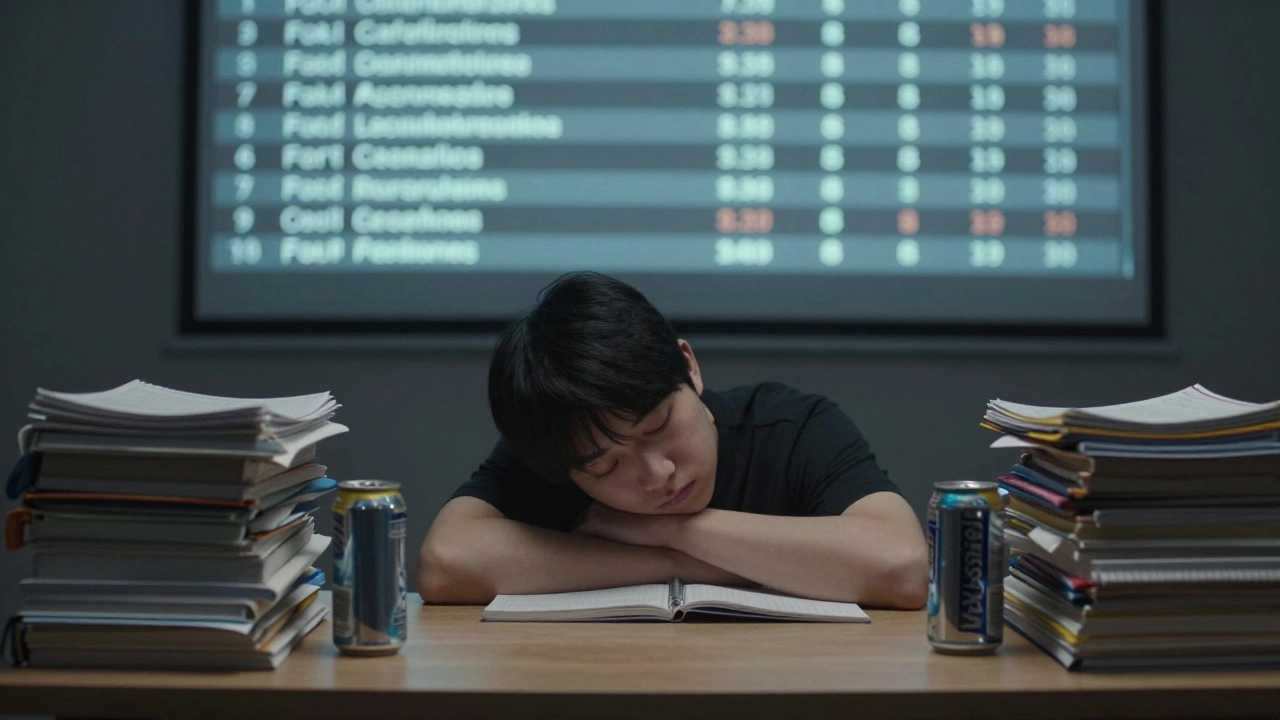
Sleep? You skip it for one more hour of revision. Meals? You eat snacks while solving problems. Exercise? That’s “time wasted.” I’ve talked to students who showed up to coaching centers with dark circles, trembling hands, and no appetite. They didn’t have a medical condition. They had chronic stress. The body doesn’t lie. When you’re running on fumes for months - or years - your immune system weakens, your focus shatters, and anxiety becomes your constant companion. One student I knew started having panic attacks before every mock test. Not because the exam was hard. Because he feared falling behind.

You isolate yourself
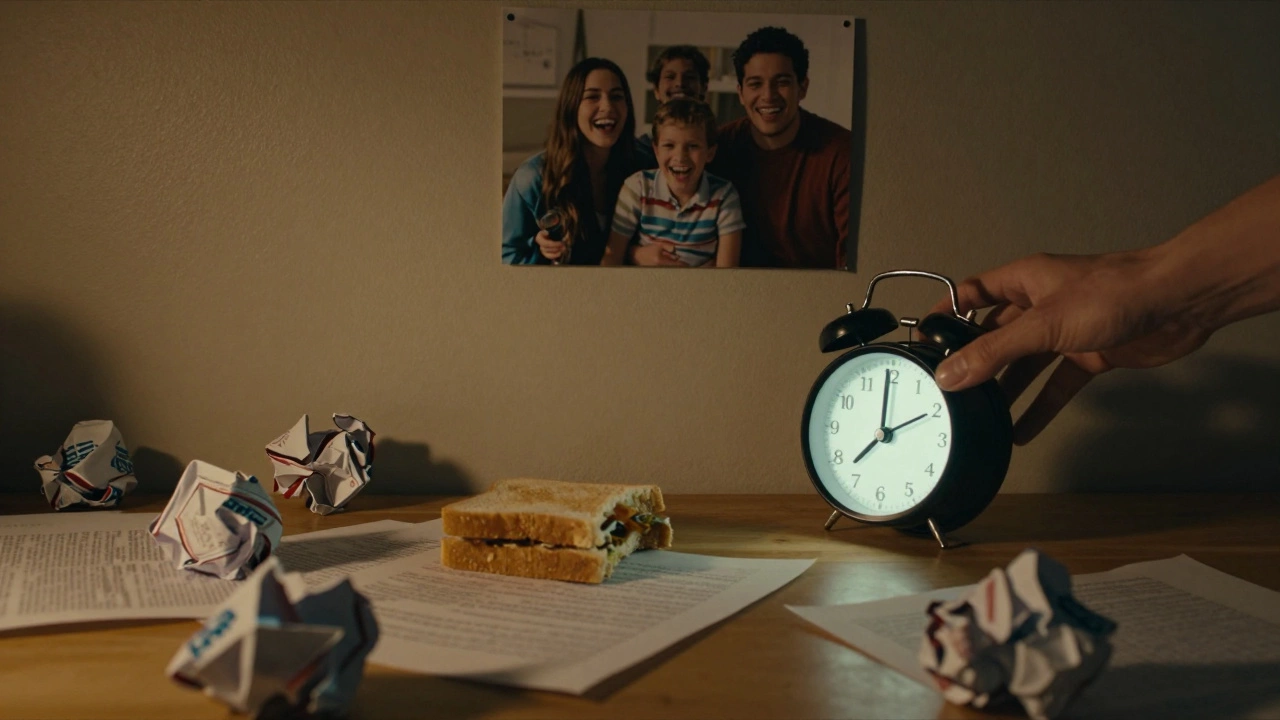
Competitive environments often turn friends into rivals. You stop sharing notes. You hesitate to ask for help. You feel guilty when you take a break, because “others are still studying.” That loneliness isn’t just emotional - it’s dangerous. Humans aren’t wired to grind alone. We need support, perspective, even distraction. But in the race to be #1, you cut off the very things that keep you sane. You stop calling your family. You cancel plans. You stop laughing. And before long, you don’t even remember what joy feels like.
Failure feels personal
When you lose a race, you can try again next time. But when you fail a competitive exam - especially one you’ve spent years preparing for - it doesn’t feel like a setback. It feels like a verdict. “I’m not good enough.” “I wasted my time.” “I let everyone down.” That kind of thinking doesn’t come from the exam. It comes from believing your value is tied to your rank. And that’s not just unfair - it’s untrue. Many people who didn’t crack top exams went on to build successful careers, start businesses, or find fulfillment in ways no ranking system could measure. But when you’ve spent years chasing one number, it’s hard to see any other path.
Perfectionism kills progress
Competitive people often believe they must get everything right. One mistake on a practice paper? You feel like you’ve failed. You redo the same topic ten times because you’re afraid of repeating an error. But learning isn’t about perfection. It’s about patterns. It’s about trying, failing, adjusting, trying again. When you treat every mistake like a disaster, you slow down. You avoid challenging problems. You stick to what’s safe. And that’s the opposite of growth. The best performers aren’t the ones who never slip. They’re the ones who learn how to get back up.
The system doesn’t reward you for being human
Competitive exams are designed to filter. They don’t care if you’re exhausted, anxious, or overwhelmed. They don’t adjust for personal crises, family issues, or mental health days. The system says: “Score higher. Do more. Stay silent.” But humans aren’t machines. You can’t run on adrenaline forever. And when you finally break - because you will - the system won’t offer you a hand. It’ll just move on to the next candidate. That’s not your fault. But it’s something you need to see clearly before you sign up for the race.
What can you do instead?
You don’t have to stop being driven. But you can stop letting competition define you. Start by asking: “Am I studying to grow - or just to beat someone?” Set goals based on your progress, not others’ results. Track your own improvement: “I used to take 45 minutes to solve this type of problem. Now I do it in 28.” That’s real progress. Take rest seriously. Sleep, eat, move. Talk to someone - a friend, a counselor, even a stranger online. You’re not weak for needing help. You’re human. And if you’re reading this, you’re already trying to do better. That’s the first step.
It’s okay to step back
There’s no shame in pausing. Taking a week off to recharge isn’t quitting. It’s strategy. The people who win in the long run aren’t the ones who never rest. They’re the ones who know when to step away, reset, and come back stronger. You don’t need to be the most competitive person to succeed. You just need to be the one who keeps going - on your terms.
Is being competitive always bad for exam preparation?
No, healthy competition can motivate you to improve. The problem isn’t competitiveness itself - it’s when it becomes obsessive, tied to self-worth, or leads to burnout. The key is balance: use competition as fuel, not as a measuring stick for your value.
Can competitive pressure cause long-term mental health issues?
Yes. Studies show prolonged exam-related stress increases risks of anxiety, depression, and insomnia - especially in high-stakes environments. A 2023 survey of Indian and Southeast Asian students found that 68% of those who scored below expectations reported persistent low mood for over six months. The pressure doesn’t end with the exam - it lingers if you tie your identity to the outcome.
Why do I feel guilty when I take a break?
That guilt comes from internalizing the myth that constant effort equals success. But rest isn’t wasted time - it’s part of the process. Your brain needs downtime to consolidate learning. Skipping breaks leads to diminishing returns. The most effective students schedule rest like they schedule study - because recovery is part of performance.
How do I stop comparing myself to others?
Start by limiting exposure. Mute ranking groups. Avoid social media posts about exam results. Focus on your own progress: keep a simple journal of what you improved each week. Remember: everyone’s starting point, resources, and life situation are different. Your journey isn’t a race against others - it’s a path only you can walk.
What if I fail despite all my effort?
Failure in a competitive exam doesn’t define your intelligence, worth, or future. Many successful professionals - entrepreneurs, doctors, engineers - didn’t crack top exams. What matters is what you do next. Use the experience to learn, adjust, and try again if you want. But don’t let one result erase years of growth. Your value isn’t in a rank. It’s in your resilience.