

Government Interview Attire Planner
Use this tool to generate a conservative professional outfit recommendation based on your presentation style and the specific government branch you are interviewing for.
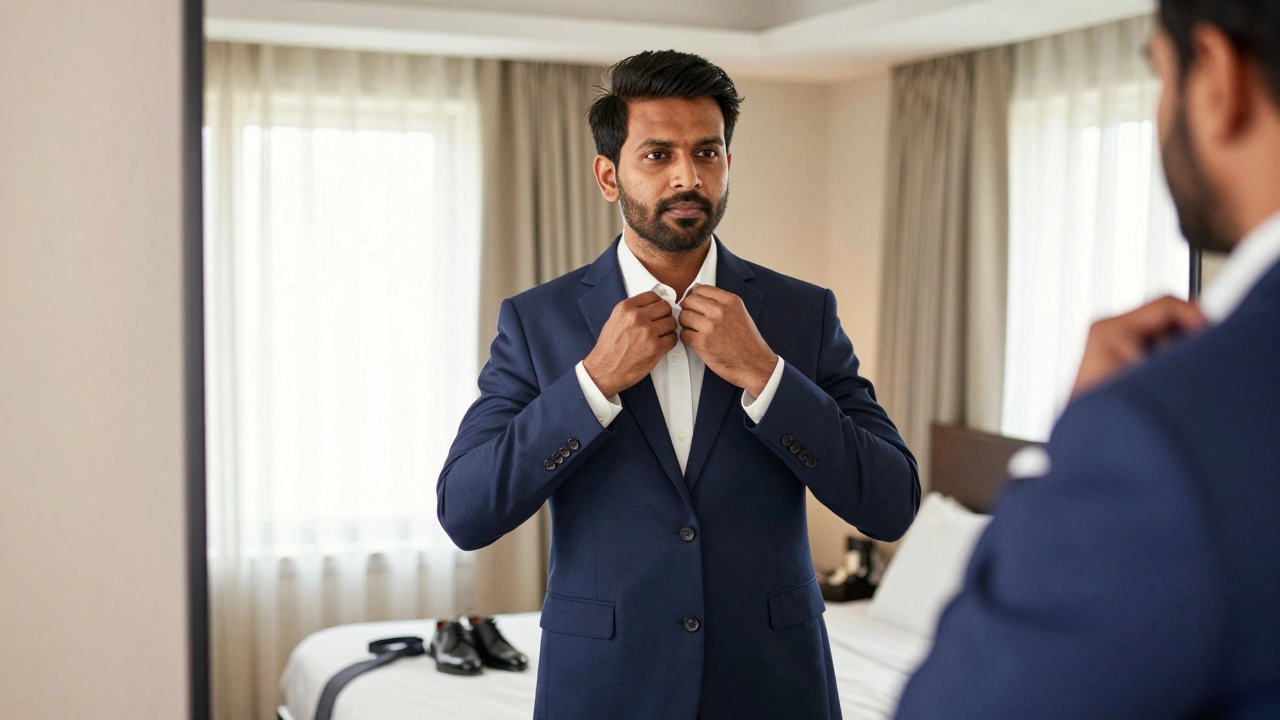
You’ve passed the written exam. You’ve cleared the background checks. Now, you’re standing in front of the mirror, staring at your closet, wondering if that navy blazer is too casual or if those black trousers are sharp enough. For most corporate jobs, the dress code has relaxed. But for a government job interview, which is a formal assessment process for public sector positions requiring strict adherence to professional standards and traditional decorum, the rules haven’t changed much. In fact, they might be stricter.
Government agencies-from federal departments to local municipal offices-value stability, tradition, and respect for hierarchy. Your appearance isn’t just about looking good; it’s a signal that you understand the culture of public service. Showing up underdressed can suggest you don’t take the role seriously. Showing up overdressed? That’s rarely a penalty, but it can make you look out of touch. The goal is to blend in with the professionalism expected of a public servant while letting your competence shine through.
The Golden Rule: Conservative Professionalism
If there is one phrase to remember, it is "conservative professionalism." This doesn’t mean boring. It means predictable, respectful, and polished. Unlike tech startups where hoodies might fly, or creative agencies where bold colors are encouraged, government offices operate on legacy systems-not just software, but social norms.
Think of your outfit as part of your application. Just as your resume needs to be error-free and structured correctly, your attire needs to be neat, appropriate, and distraction-free. The hiring panel wants to focus on your answers, not your outfit choices. When you dress conservatively, you remove any potential bias against your professionalism before you even speak.
- Avoid trends: If it was popular on TikTok last month, leave it at home.
- Stick to neutrals: Navy, charcoal, black, gray, and white are your best friends.
- Fit matters more than brand: A $50 suit that fits perfectly beats a $500 suit that sags or pulls.
Dress Code by Gender and Role
While the core principle remains the same, specific expectations can vary slightly based on gender norms and the specific branch of government you are interviewing for. Here is a breakdown of what works and what doesn’t.
| Category | Men / Masculine Presentation | Women / Feminine Presentation |
|---|---|---|
| Suit Jacket | Navy or Charcoal wool blend. Single-breasted is safest. | Navy, Black, or Gray tailored jacket. Match with skirt or trousers. |
| Shirt / Blouse | Crisp white or light blue button-down. Long sleeves preferred. | Silk or high-quality cotton blouse. Solid colors only. No low necklines. |
| Trousers / Skirt | Match suit jacket. No pleats if possible. Break at the shoe. | Knee-length pencil skirt or matching trousers. Avoid mini-skirts. |
| Footwear | Polished leather oxfords or derbies. Black or dark brown. | Closed-toe pumps (2-3 inch heel) or loafers. Nude or black. |
| Accessories | Simple watch, conservative tie (no loud patterns). | Small earrings, simple necklace. Minimal jewelry. |
For men, the classic combination is a navy blue suit with a white shirt and a solid or subtly striped tie. Navy is often preferred over black because black can sometimes resemble a funeral outfit or security uniform, whereas navy conveys authority and approachability. Ensure your shoes are polished. Scuffed shoes are a major red flag in government circles, suggesting a lack of attention to detail.
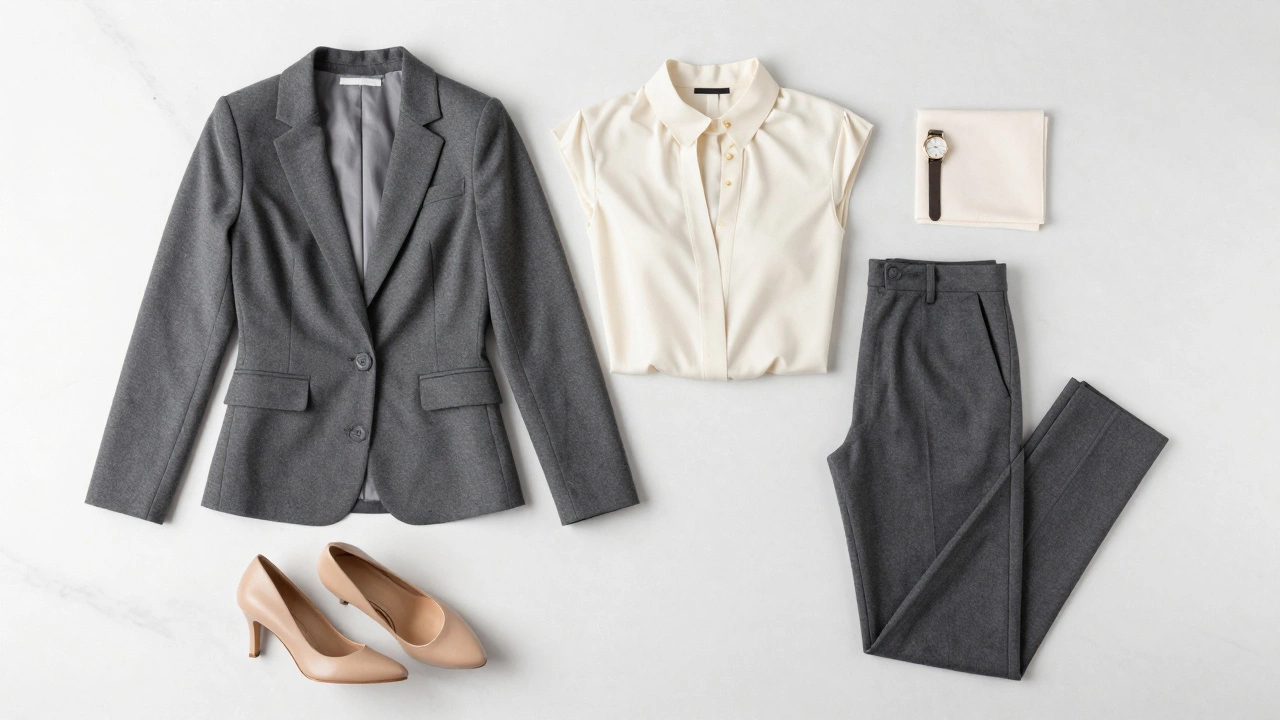
For women, a pantsuit is an excellent choice. It commands respect and offers comfort during long interview panels. If you prefer a skirt suit, ensure the skirt falls at or just above the knee. Avoid sheer fabrics, tight cuts, or anything that requires constant adjustment. Your blouse should cover your midriff completely, even when you raise your arms.
Branch-Specific Nuances
Not all government jobs are created equal. The department you are interviewing for plays a huge role in how strictly you should adhere to the dress code.
Federal Agencies (e.g., State Department, Treasury): These are the most formal. Think diplomats and bankers. Full suits are mandatory. Any deviation here could be seen as disrespectful to the institution's history.
Local Municipal Jobs (e.g., City Planner, Social Worker): Slightly more relaxed, but still professional. A blazer with chinos or a conservative dress might pass, but a full suit is never wrong. It shows you are stepping up for the occasion.
Law Enforcement & Military Adjacent: If you are interviewing for police, corrections, or military support roles, the expectation shifts toward neatness and discipline rather than fashion. Dark trousers, a crisp shirt, and sturdy shoes are key. Avoid flashy accessories. The look should say "ready for duty," not "ready for a boardroom meeting."
Technical or IT Roles: Even if the office culture is casual, the interview is formal. Do not let them tell you "we dress casually" fool you into wearing jeans. Wear the suit. You can always dress down later once you have the job.
Common Mistakes to Avoid
I’ve seen candidates lose opportunities not because they lacked skills, but because their presentation raised unnecessary doubts. Here are the pitfalls that trip people up most often.
- The "New" Outfit Risk: Never wear something new on interview day. New shoes can blister your feet. New shirts might itch or shrink unexpectedly. Wear clothes you have tested in real-world scenarios.
- Overpowering Fragrance: Government offices are often small, enclosed spaces with older ventilation systems. Heavy cologne or perfume can trigger allergies or migraines in the panelists. Skip the scent entirely or use a very light, unscented lotion.
- Distracting Accessories: Large watches, noisy bracelets, or excessive rings can be distracting. Keep jewelry minimal and quiet. Your smartwatch should be set to silent and ideally removed or covered.
- Wrinkled Clothes: Iron your shirt. Steam your suit. Wrinkles suggest disorganization. In a bureaucracy where paperwork and order are paramount, looking crisp signals that you handle details well.
- Inappropriate Grooming: Hair should be clean and styled neatly. Facial hair should be trimmed. Nails should be clean and short. These small details accumulate into an overall impression of professionalism.
Pre-Interview Preparation Checklist
Your preparation starts days before the interview. Don’t wait until the morning of to figure out your look. Use this checklist to ensure everything is ready.
- Check the Weather: If it’s raining, plan for an umbrella and waterproof shoes. Arriving wet and flustered sets a bad tone.
- Lay Everything Out: Place your complete outfit-including socks, underwear, and hosiery-on your bed the night before.
- Inspect for Flaws: Check for loose threads, missing buttons, or stains. Fix them now, not later.
- Practice Movement: Sit down, stand up, and walk around in your outfit. Make sure you feel comfortable and confident. If you’re constantly pulling at your hem, you’ll seem nervous.
- Prepare a Backup: If traveling, bring a spare shirt and deodorant in your bag. Accidents happen, and being prepared shows resourcefulness.
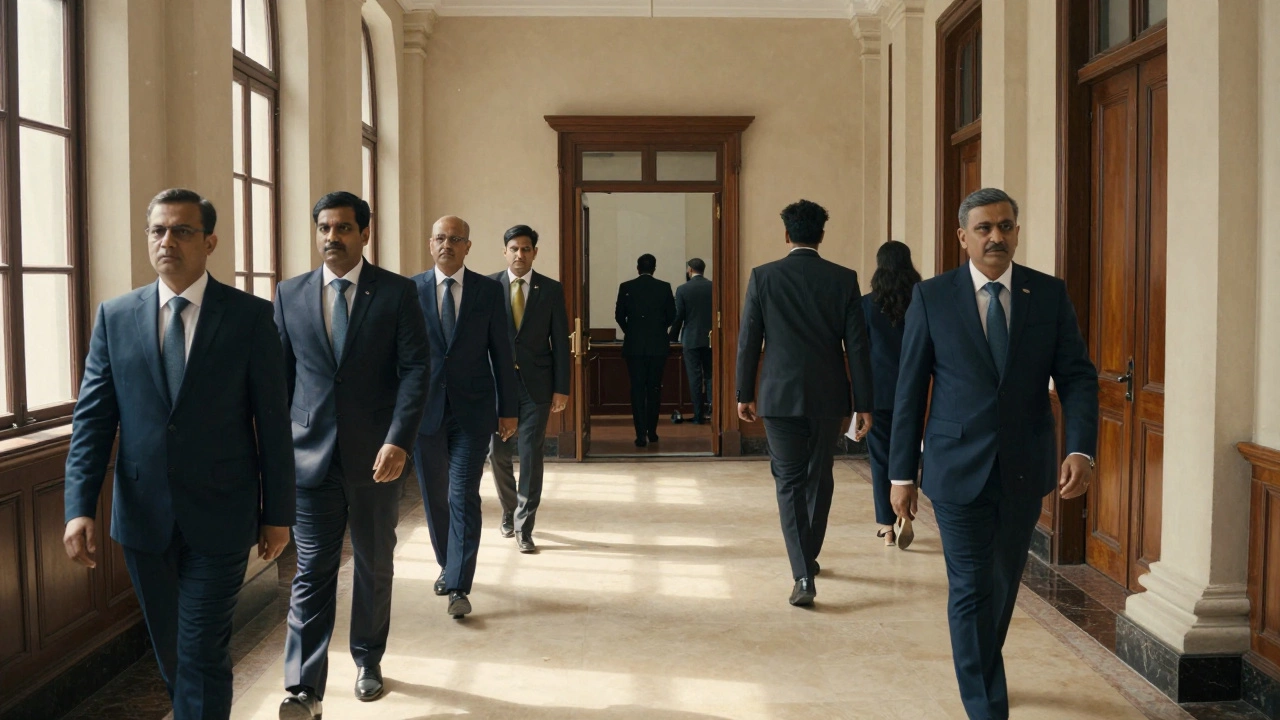
The Psychology of First Impressions
Why does this matter so much? Because humans form judgments within seconds. Studies in social psychology show that first impressions are heavily influenced by visual cues. In a government context, where trust and integrity are currency, your appearance acts as a non-verbal resume.
When you dress conservatively, you are communicating three things:
- Respect: You value the time and position of the people interviewing you.
- Conformity: You understand and accept the organizational culture.
- Competence: You pay attention to details and present yourself with care.
This doesn’t mean you need to erase your personality. It means channeling it into your words and demeanor, not your wardrobe. Once you are seated, your confidence, eye contact, and clear communication will carry the weight. Your clothes just open the door.
Final Tips for Confidence
Remember, the goal is not to impress with fashion, but to reassure with professionalism. If you are unsure, err on the side of being more formal. It is better to be the best-dressed person in the room than the least dressed.
Take a deep breath. Look in the mirror. If you see someone who looks capable, respectful, and ready to serve, you are ready. Walk in with your head high, smile, and let your qualifications do the talking.
Can I wear jeans to a government job interview?
No, you should not wear jeans to a government job interview. Even if the workplace has a casual dress code, the interview itself is a formal event. Jeans are considered too informal and may signal a lack of seriousness about the position. Stick to dress slacks or a suit.
Is a black suit appropriate for a government interview?
A black suit is acceptable, but navy blue or charcoal gray is often preferred. Black can appear too severe or funereal in some contexts. Navy blue conveys authority and trustworthiness, making it a safer and more versatile choice for most government roles.
Should I wear a tie to a government job interview?
Yes, for men, wearing a tie is highly recommended for government interviews. It adds a layer of formality and respect. Choose a conservative pattern like stripes or solids in muted colors. Avoid novelty ties or overly bright colors.
What if the government office has a casual Friday policy?
Even if the office has a casual Friday policy, you should still dress formally for the interview. The interview is a special occasion that requires a higher standard of professionalism. Dressing formally shows you understand the difference between daily work and formal assessments.
How important are shoes in a government job interview?
Shoes are very important. They are often the first thing noticed after your face. Worn-out, scuffed, or dirty shoes can undermine an otherwise perfect outfit. Ensure your shoes are polished, clean, and in good condition. Closed-toe leather shoes are the safest bet.