



Coding Progress Estimator
Configure Your Learning Plan
Enter your details to see how long it might take to master different stages of coding.
There is a specific moment in every beginner’s coding is the process of creating instructions for computers using programming languages journey where you feel completely lost. You stare at a screen filled with red error messages, your brain feels like it has melted, and you wonder if you made a huge mistake by signing up for those coding classes are structured educational programs designed to teach programming skills to beginners and advanced learners. It happens to everyone. Even the most senior engineers at major tech companies remember that first week when nothing made sense.
The short answer to whether coding gets easier is yes. But the longer answer is more interesting. It doesn’t get easier because the problems become simple. It gets easier because your brain rewires itself to think differently. You stop seeing walls and start seeing doors. This shift usually takes between three to six months of consistent practice, depending on how much time you dedicate daily.
The Initial Wall: Why Starting Feels Impossible
When you first open an editor like Visual Studio Code or write your first line of Python, you are not just learning syntax. You are learning a new language, a new logic system, and a new way to solve problems all at once. This cognitive overload is why so many people quit within the first month.
In traditional school, you learn facts. In coding, you learn processes. If you forget a fact, you can look it up. If you forget a process, you have to rebuild your mental model. This is why online courses are digital educational content delivered via the internet, often including videos, quizzes, and interactive exercises can sometimes feel frustrating. They give you the facts but often fail to build the mental models required to connect them.
Consider this example. A beginner trying to understand a "for loop" might memorize the syntax: `for i in range(10):`. They can type it out. But they don’t truly understand *why* it works or *when* to use it. They treat it like a magic spell. When the spell fails (which it always does), they panic. An experienced developer sees the same loop and understands it as a tool for repetition, similar to folding laundry one shirt at a time until the pile is gone. The difference isn’t intelligence; it’s perspective.
The Shift: From Memorization to Pattern Recognition
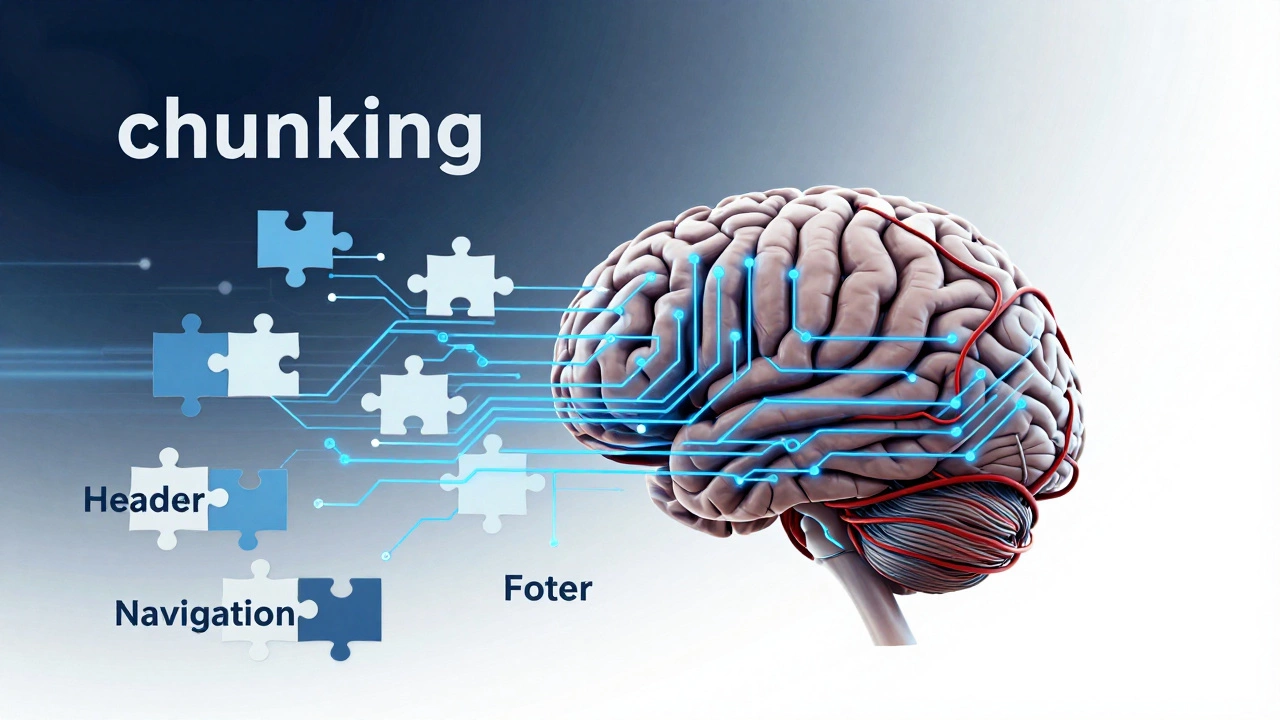
Around the three-month mark, something changes. You stop reading every single character of code. You start recognizing patterns. This is called chunking. Your brain groups individual concepts into larger, manageable units.
Instead of seeing:
- Variable declaration
- Data type assignment
- Function call
- Error handling
You see: "This function fetches user data."
This shift is crucial. It reduces the mental load significantly. You no longer need to hold every detail in your working memory. You can focus on the bigger picture. This is why experienced developers can write code faster. They aren’t typing faster; they are thinking in higher-level abstractions.
Let’s look at a real-world scenario. Imagine building a website. A beginner focuses on every HTML tag, every CSS property, and every JavaScript variable. They get bogged down in the details. An experienced developer thinks in components: Header, Navigation, Main Content, Footer. They build these components separately and then assemble them. This modular approach makes the task feel much smaller and more manageable.
The Illusion of Ease: New Problems Replace Old Ones
Here is the catch. As you master the basics, new challenges emerge. You might finally understand loops and functions, only to hit a wall with databases. Then you master SQL, only to struggle with API integrations. Then APIs give way to cloud infrastructure issues.
Coding never becomes "easy" in the sense that there are no more hard problems. Instead, the *type* of difficulty changes. Early on, the difficulty is syntactic. You don’t know the words. Later, the difficulty is architectural. You don’t know how to structure the solution.
This is why continuous learning is essential. The tech industry evolves rapidly. Frameworks change, languages update, and best practices shift. What was considered good code five years ago might be obsolete today. This constant evolution can be daunting, but it also keeps the field exciting. You are never truly done learning.
| Stage | Primary Challenge | Mental Model | Typical Duration |
|---|---|---|---|
| Beginner | Syntax & Basic Logic | Memorization | 1-3 Months |
| Intermediate | Pattern Recognition | Chunking | 3-6 Months |
| Advanced | Architecture & Scalability | Abstraction | 6+ Months |
Why Structured Learning Matters
Given these shifts, how you learn matters immensely. Self-taught programmers often struggle with gaps in their foundational knowledge. They might pick up tricks from YouTube tutorials without understanding the underlying principles. This leads to fragile code that breaks easily and hard-to-debug errors.
This is where formal coding classes provide significant value. Good classes don’t just teach syntax; they teach debugging strategies, version control, and collaborative workflows. They expose you to common pitfalls before you encounter them in production environments.
For instance, a well-designed curriculum will introduce Git early on. Beginners often ignore version control until they break something critical. By practicing commits, branches, and merges in a safe classroom environment, you build muscle memory. When you eventually work on a team project, you won’t panic when someone overwrites your code. You’ll know exactly how to recover it.
Additionally, structured programs provide accountability. It’s easy to skip a day of self-study. It’s harder to miss a live session or fall behind on peer-reviewed assignments. This external pressure helps maintain momentum during the inevitable slumps.
Practical Tips to Accelerate Progress
If you want coding to get easier faster, focus on these actionable strategies:
- Build Projects, Not Just Tutorials: Tutorials give you a false sense of competence. You’re following someone else’s path. Real growth happens when you hit a blank screen and have to figure out where to start. Build a to-do list app, a weather dashboard, or a personal blog. Break things. Fix them.
- Embrace Errors: Error messages are not insults; they are clues. Learn to read them. Copy-paste them into search engines. Understand what went wrong. Every bug you fix makes you stronger.
- Code Daily: Consistency beats intensity. Thirty minutes a day is better than five hours once a week. Your brain needs regular exposure to reinforce neural pathways.
- Join a Community: Isolation kills progress. Join forums, attend meetups, or find a study buddy. Explaining concepts to others forces you to clarify your own understanding.
- Read Other People’s Code: Open-source projects are goldmines. See how experienced developers structure their files, name their variables, and handle edge cases. You’ll pick up habits you didn’t know existed.

The Long-Term View: Career Implications
As you progress, consider how coding fits into your broader career goals. Are you aiming for a role in web development, data science, or mobile apps? Each path requires different specializations. Web developers need strong frontend and backend skills. Data scientists require statistical knowledge and proficiency in tools like Pandas and NumPy. Mobile developers must navigate platform-specific constraints.
Understanding these distinctions early helps you tailor your learning. Don’t try to learn everything at once. Pick a lane, go deep, and then expand outward. This focused approach prevents burnout and ensures you gain marketable skills quickly.
Moreover, soft skills matter. Communication, teamwork, and problem-solving are just as important as technical ability. Employers hire people who can collaborate effectively and explain complex ideas simply. Coding classes that include group projects help develop these interpersonal skills alongside technical ones.
Conclusion: Embrace the Journey
Coding does get easier, but only if you redefine what "easy" means. It stops being about knowing every command and starts being about knowing how to find answers. It shifts from frustration to curiosity. From confusion to clarity.
The initial struggle is temporary. The satisfaction of building something functional is lasting. Whether you choose self-study, online courses, or intensive coding bootcamps, the key is persistence. Keep going. The breakthrough is closer than you think.
How long does it take to feel comfortable coding?
Most people begin to feel comfortable after 3 to 6 months of consistent practice. This timeline assumes dedicating at least 10-15 hours per week to studying and building projects. Comfort comes from pattern recognition, which develops through repeated exposure to similar problems.
Is coding harder for older adults?
No, age is not a barrier to learning to code. While younger learners may adapt quickly to new interfaces, older adults often bring valuable life experience and problem-solving skills. Many successful developers started coding in their 30s, 40s, or even later. The key is maintaining curiosity and patience.
Do I need a computer science degree to code?
Not necessarily. Many employers prioritize practical skills and portfolio projects over formal degrees. Coding classes, bootcamps, and online certifications can provide sufficient training for entry-level roles. However, a degree may be beneficial for specialized fields like artificial intelligence or research-oriented positions.
What is the best programming language for beginners?
Python is widely recommended for beginners due to its readable syntax and versatility. JavaScript is another excellent choice, especially for those interested in web development. Both languages have large communities and extensive resources, making it easier to find help when stuck.
Can I learn to code entirely online?
Yes, many people successfully learn to code through online platforms. Interactive websites, video tutorials, and virtual coding classes offer flexible learning options. However, supplementing online study with hands-on projects and community engagement enhances retention and skill application.