Distance Learning Drawbacks: What No One Tells You About Online Education
When you think of distance learning, a mode of education where students learn remotely without being physically present in a classroom. Also known as online learning, it’s become a go-to for working adults, parents, and students in remote areas. But behind the flexibility and low cost lies a set of hidden problems most course promoters ignore.
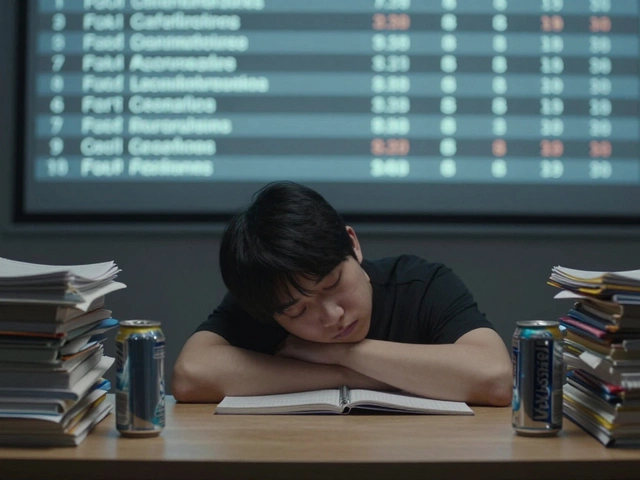
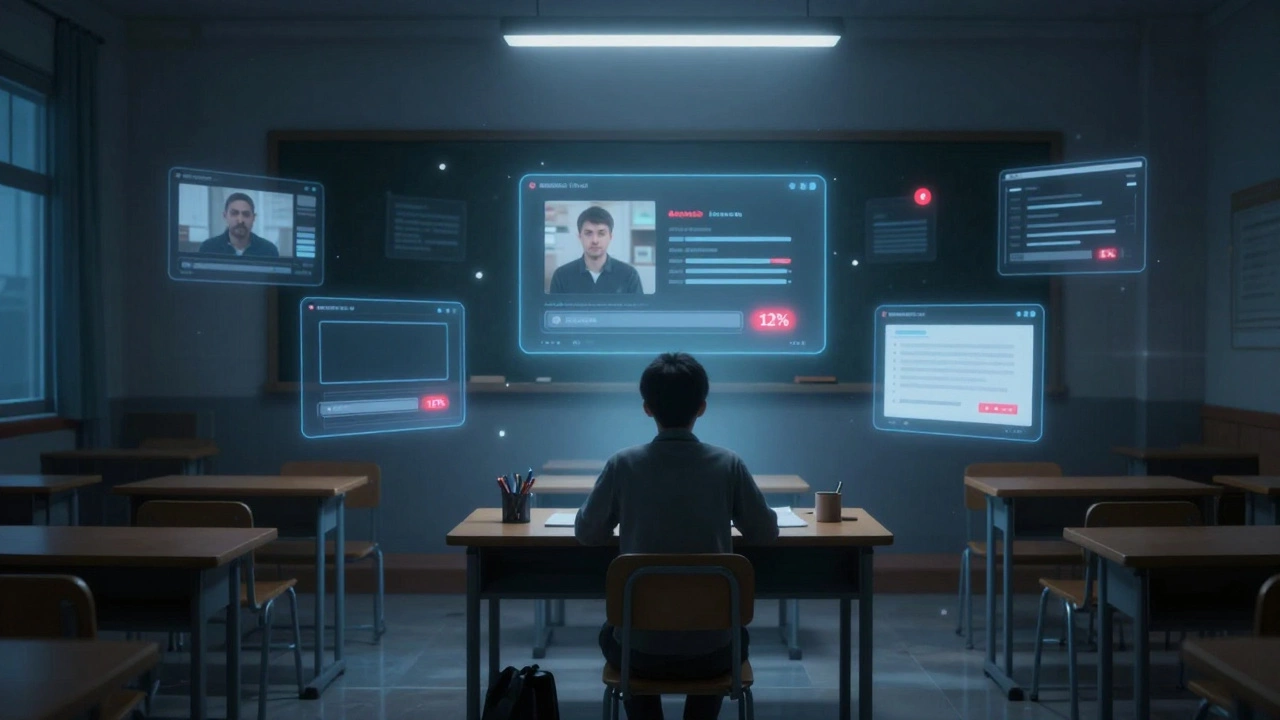
One of the biggest distance learning drawbacks is isolation. Unlike campus life, where you bump into classmates, ask quick questions, or join study groups, online courses often leave you alone with a screen. You don’t get the accidental learning that happens in hallways or cafeterias. A 2023 study from the National Bureau of Economic Research found that students in fully online programs were 30% more likely to drop out than those in hybrid or in-person classes—mostly because they felt disconnected. It’s not just about motivation; it’s about human interaction being stripped away.
Then there’s the self-discipline factor. Online learning assumes you’re already good at managing time. But if you’ve ever started a course, opened the module, and ended up watching YouTube instead—you know how easy it is to fall behind. There’s no professor checking your attendance, no peer pressure to show up. And when deadlines pile up, there’s no one to nudge you. This isn’t a flaw in the system—it’s a flaw in the expectation. Most people don’t realize they’re signing up for a self-managed marathon, not a guided class.
Another issue? Not all online programs are created equal. Some offer real certifications. Others are just video lectures with a PDF and a $50 fee. You can’t tell by the website. Many platforms don’t disclose employer recognition rates or graduate outcomes. That’s why you need to dig deeper: check LinkedIn profiles of past students, ask alumni on Reddit, or look for third-party reviews. A course that says "learn Python" might not teach you how to build a real app—or get you hired.
And let’s not forget tech problems. A bad internet connection, outdated software, or a laptop that crashes mid-exam can ruin your progress. No one talks about how much time you waste troubleshooting tech instead of learning. In rural India, where broadband is unreliable, this isn’t a minor inconvenience—it’s a barrier to entry.
There’s also the lack of hands-on experience. Want to learn nursing, welding, or lab techniques? You can’t do that through a screen. Even fields like coding or design need real feedback, peer review, and live critique—something most online platforms don’t provide. The difference between watching a video on coding and actually debugging your first program with a mentor is huge.
Finally, there’s the credential gap. Many employers still prefer degrees from brick-and-mortar schools—even if the online course content is identical. A certificate from a well-known university might help, but a random Udemy or Coursera badge? It often gets ignored. You need to prove your skills through projects, portfolios, or internships. The diploma doesn’t carry weight unless you’ve built something real.
None of this means distance learning is bad. It’s just not the magic fix everyone sells it as. It works if you’re disciplined, have support, and know how to filter the good from the garbage. But if you’re hoping it’ll be easier than traditional school—you’re setting yourself up for frustration.
Below, you’ll find real stories and data from people who’ve been through it—the good, the bad, and the ugly. No sugarcoating. Just what actually happens when you try to learn from your couch.
- By Nolan Blackburn
- /
- 4 Dec 2025
What Is the Problem of eLearning? Real Issues Behind Online Courses Today
eLearning promises flexibility but fails most learners due to isolation, outdated content, poor feedback, and fake certificates. Here's what's really broken-and how it can be fixed.