



Lesson Planning Simulator
Ever wonder what a teacher trainee actually does all day? It’s not just sitting in lectures or grading papers. Being a teacher trainee means stepping into a real classroom-wearing multiple hats, making mistakes, and learning fast. In New Zealand, where teacher training is hands-on from day one, a trainee isn’t just watching a teacher work. They’re doing it-sometimes badly, sometimes brilliantly-and that’s the point.
Observing First, Then Doing
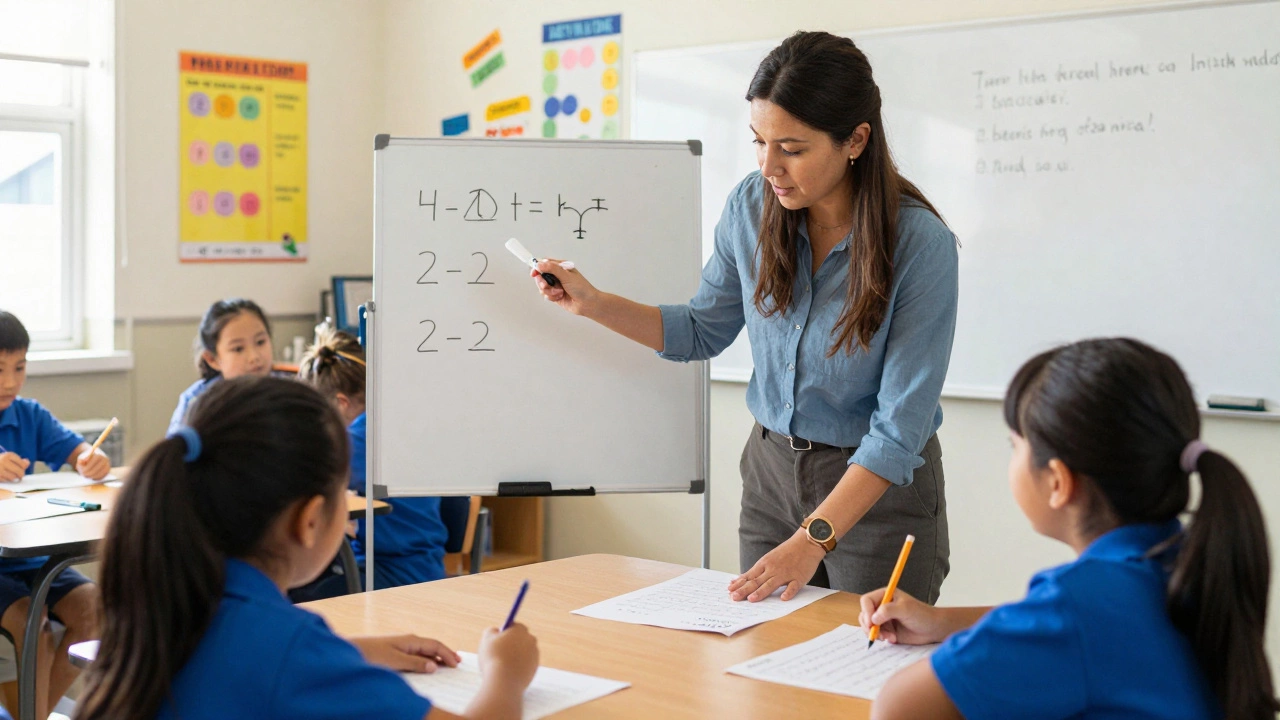
Most teacher trainees start by shadowing experienced teachers. This isn’t passive. You’re not just watching; you’re taking notes on how a teacher handles a disruptive student, how they explain fractions to Year 5 kids, or how they switch from a lecture to a group activity without losing attention. You notice the small things: how long they wait after asking a question, how they move around the room, how they use silence to get kids thinking.
After a few weeks, you start co-teaching. Maybe you lead a 10-minute warm-up activity. Or you run a reading circle while the lead teacher observes. You’re not in charge yet, but you’re responsible for part of the lesson. You’ll mess up. You might run out of time. You might forget a key instruction. That’s normal. The goal isn’t perfection-it’s learning how to recover.
Planning Lessons That Actually Work
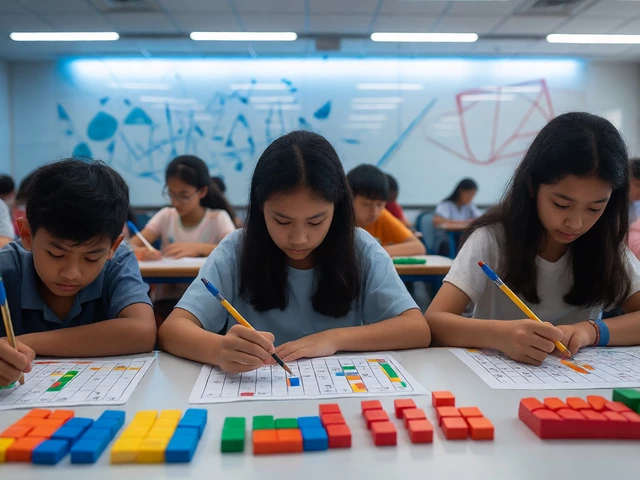
Teacher trainees spend hours planning lessons. Not just copying worksheets from the internet. You have to think: What do these students already know? What’s the one thing they need to understand by the end of this lesson? How do you make sure all 30 kids-some ahead, some behind-are moving forward?
You’ll write lesson plans that look perfect on paper… then watch them fall apart in class. A science experiment might not work. A group discussion might go silent. A video might crash. That’s when you learn. You adjust on the fly. You pivot. You ask: ‘What did I miss?’ Then you try again tomorrow.
Lesson planning isn’t about following a template. It’s about understanding your students. A trainee in a rural school might plan differently than one in a city classroom. One group might need more visuals. Another might need more movement. You learn to read the room.
Managing Behavior-Without Yelling
One of the biggest surprises for new trainees? Classroom management isn’t about being strict. It’s about being consistent. It’s about knowing when to step in, when to give space, and when to quietly walk over to a student who’s zoning out and say, ‘You good?’
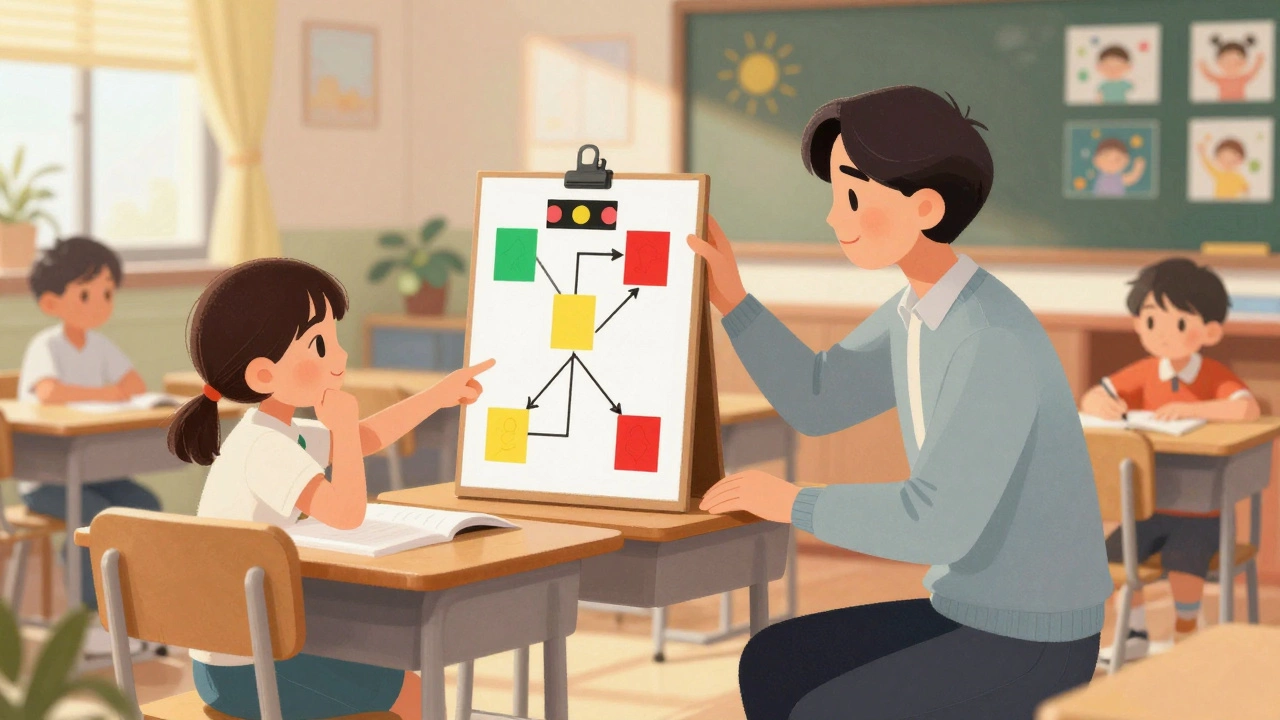
You’ll see trainees lose their cool. You’ll also see them turn things around. One trainee I watched started using ‘traffic light’ signals on desks-green for focused, yellow for distracted, red for needing help. Kids loved it. It gave them control. And it cut down on disruptions by 70% in two weeks.
Behavior isn’t about punishment. It’s about connection. Trainees learn that a kid who acts out might be hungry. Or scared. Or bored. Your job isn’t to fix their life. It’s to create a space where they feel safe enough to learn.
Grading-But Not Like You Think
Grading isn’t just checking answers. It’s looking for patterns. Why did six students get the same question wrong? Did they all misunderstand the same concept? Did the explanation not land? Or did the example not make sense?
Trainees learn to use feedback that actually helps. Instead of writing ‘Good job’ or ‘Needs improvement,’ they write: ‘You understood the main idea but missed the connection between cause and effect. Try this next time: draw a line from the cause to the effect.’
They also learn to grade faster. One trainee in Auckland started using voice notes for feedback. Students listened to it on their phones during lunch. They said it felt more personal. And the teacher trainee saved hours.
Working with Parents and Colleagues
Being a teacher trainee means talking to parents. Not just at parent-teacher nights. Sometimes it’s a quick chat after school. Or a text: ‘Your child was really engaged today. I noticed they asked three thoughtful questions.’
You’ll also work with teaching assistants, librarians, and special education staff. You learn that every classroom has a team behind it. A trainee who asks for help-instead of pretending they’ve got it all figured out-gets better faster.
You’ll sit in staff meetings. You’ll hear about IEPs (Individual Education Plans), behaviour support plans, and curriculum changes. You’ll realize teaching isn’t just about your class. It’s about being part of a system that supports every child.
Reflecting-The Most Important Part
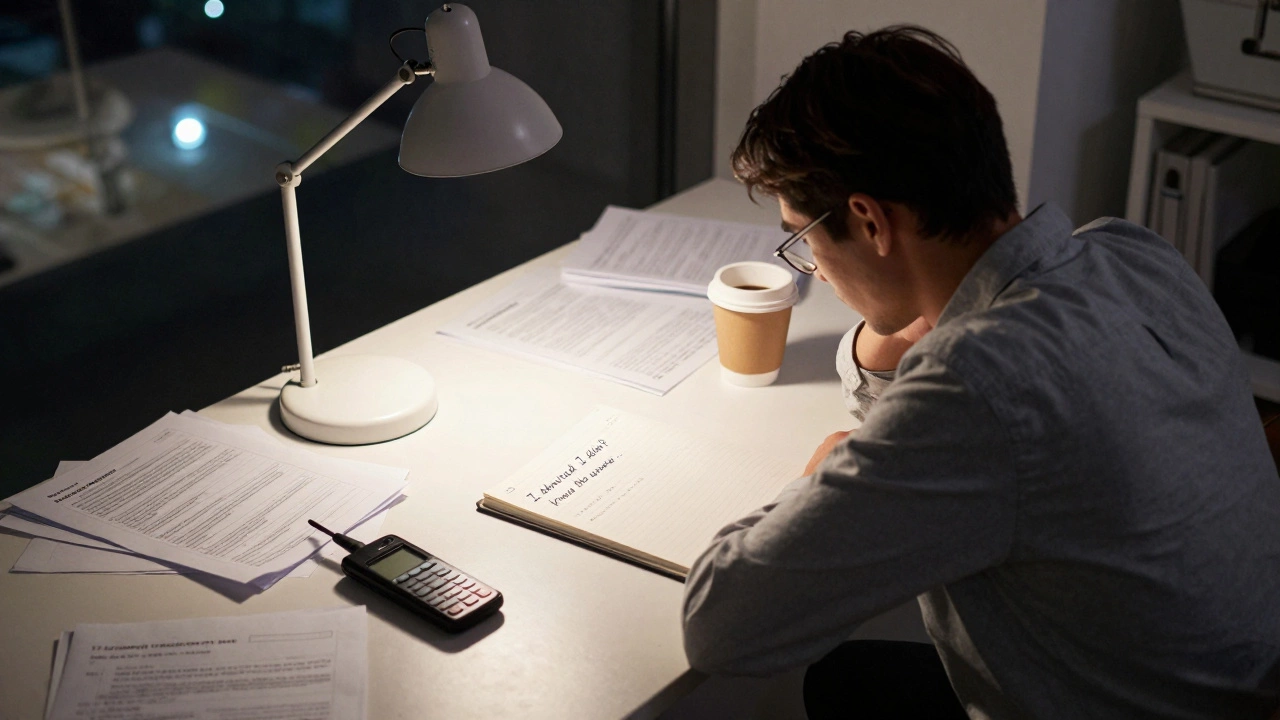
At the end of every day, trainees write reflections. Not essays. Just short notes: What worked? What didn’t? What surprised me? What will I do differently tomorrow?
One trainee wrote: ‘I thought I needed to be the expert. Today, I admitted I didn’t know the answer to a question. I said, ‘Let’s find out together.’ The kids loved it. I felt like a real teacher for the first time.’
Reflection turns experience into learning. Without it, you just repeat mistakes. With it, you grow.
What Happens After the Trainee Year?
By the end of the training year, most trainees aren’t just ready to teach-they’re ready to lead. They’ve planned over 100 lessons. Taught in at least three different settings. Managed behaviour in noisy, quiet, and chaotic classrooms. Gotten feedback from mentors, students, and parents.
They’re not perfect. But they’re not scared anymore. They know how to adapt. They know how to ask for help. And they know that teaching isn’t about having all the answers-it’s about creating space for kids to find their own.