




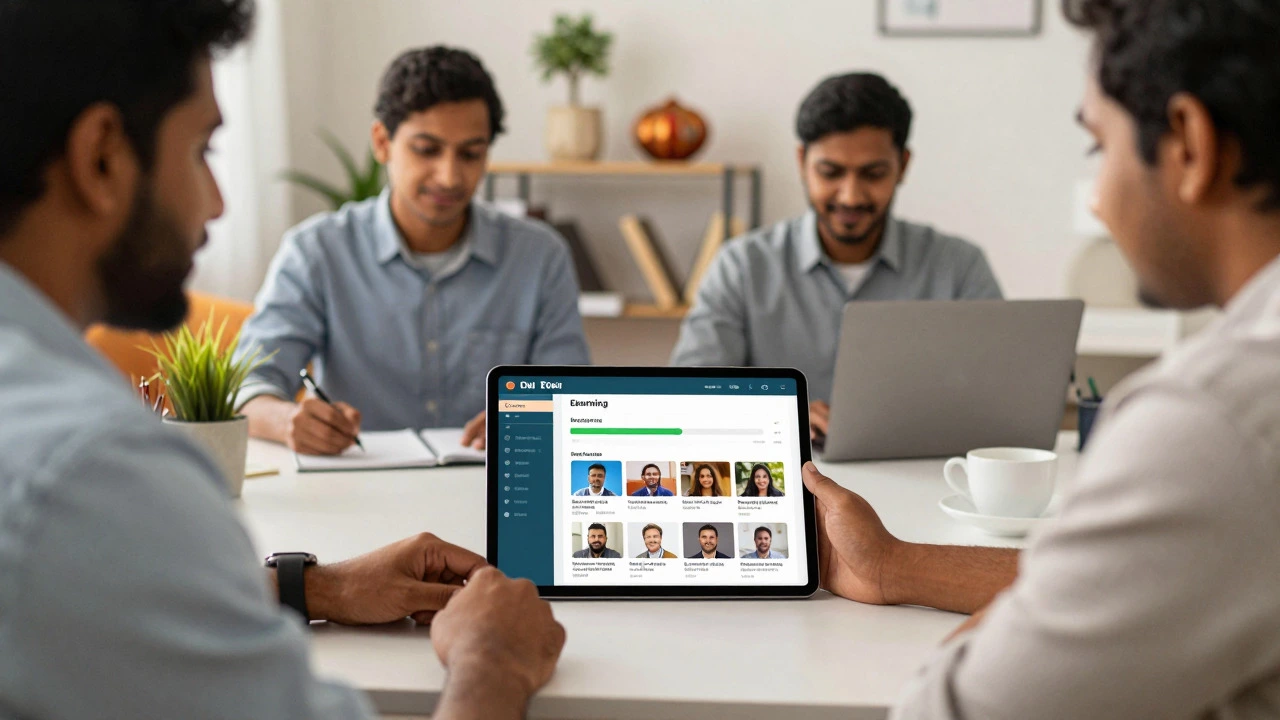
Find Your Ideal eLearning Platform
Platform Recommendation
Description goes here.
Why this fits you:
Key Features to Look For:
You have probably heard the term thrown around in job interviews, marketing emails, or casual conversations about remote work. But what exactly is an eLearning platform that serves as a centralized digital hub for creating, delivering, and managing educational content? It is not just a website with videos. It is a complex software ecosystem designed to replicate-and often improve upon-the traditional classroom experience.
In 2026, the landscape of digital education has shifted dramatically. We are no longer talking about simple PDF downloads. Modern platforms integrate artificial intelligence, interactive simulations, and real-time collaboration tools. Whether you are a business trainer looking to upskill employees or a student seeking flexible certification, understanding the mechanics of these systems is crucial.
The Core Definition: More Than Just Videos
An eLearning platform is essentially a software application that facilitates the delivery of educational material over the internet. While early iterations were static repositories for documents, today’s platforms are dynamic environments. They connect learners with instructors, track progress, assess knowledge, and provide analytics.
Think of it as the infrastructure of digital education. Without this infrastructure, online learning would be chaotic-just loose files scattered across email chains and cloud drives. The platform provides structure. It ensures that when you log in, your course modules are organized, your deadlines are clear, and your previous quiz scores are recorded accurately.
| Component | Function | User Benefit |
|---|---|---|
| Learning Management System (LMS) | Central dashboard for administration | Organizes courses, users, and reports in one place |
| Content Repository | Storage for videos, PDFs, SCORM packages | Ensures fast loading and secure access to materials |
| Assessment Engine | Tools for quizzes, exams, and assignments | Automated grading saves hours of manual work |
| Analytics Dashboard | Data visualization of learner progress | Identifies at-risk students or skill gaps instantly |
How Does an eLearning Platform Work?
The magic happens behind the scenes through a combination of server-side processing and client-side interactivity. When an instructor uploads a lesson, the platform converts it into a standardized format. This is where standards like SCORM (Sharable Content Object Reference Model) come into play. SCORM ensures that your interactive module created on one tool will display correctly on any compliant platform.
Here is the typical workflow:
- Content Creation: An instructional designer uses authoring tools (like Articulate or Adobe Captivate) to build interactive lessons.
- Upload & Packaging: These lessons are packaged into ZIP files containing HTML, JavaScript, and media assets, then uploaded to the platform.
- Assignment: Administrators assign specific courses to individual users or groups based on roles or departments.
- Delivery: Learners access the content via web browsers or mobile apps. The platform tracks every click, pause, and completion event.
- Reporting: Data flows back to the admin dashboard, showing who completed what and how well they performed.
This seamless flow requires robust backend architecture. In 2026, most leading platforms use cloud-native architectures to handle thousands of concurrent users without crashing during peak enrollment periods.
Types of eLearning Platforms
Not all platforms are built for the same purpose. Choosing the wrong type can lead to frustration and wasted budget. Here are the three primary categories dominating the market today.
1. Learning Management Systems (LMS)
An LMS is the most common type, primarily used by corporations and universities. It focuses on compliance training, onboarding, and structured curricula. Think of Moodle, Canvas, or Blackboard. These systems are rigid but powerful, offering deep administrative control and detailed reporting required for accreditation or regulatory compliance.
2. Learning Experience Platforms (LXP)
If an LMS is a library, an LXP is a social media feed for learning. LXPs prioritize user engagement, personalization, and self-directed learning. They use AI algorithms to recommend content based on your interests and career goals. Examples include EdCast and Degreed. They are less about "forcing" training and more about fostering a culture of continuous curiosity.
3. Massive Open Online Course (MOOC) Providers
Platforms like Coursera, Udemy, and edX fall into this category. They are consumer-facing marketplaces where anyone can buy and sell courses. Unlike corporate LMSs, MOOCs focus on scalability and broad appeal rather than customized organizational workflows. They often partner with top universities to offer verified certificates.
| Feature | LMS | LXP | MOOC |
|---|---|---|---|
| Primary User | Employees/Students | Professionals/Learners | General Public |
| Content Source | Internal/Custom | Curated from multiple sources | Third-party creators |
| Focus | Compliance & Tracking | Engagement & Personalization | Access & Certification |
| Cost Model | Subscription per user | Enterprise license | Per course purchase |
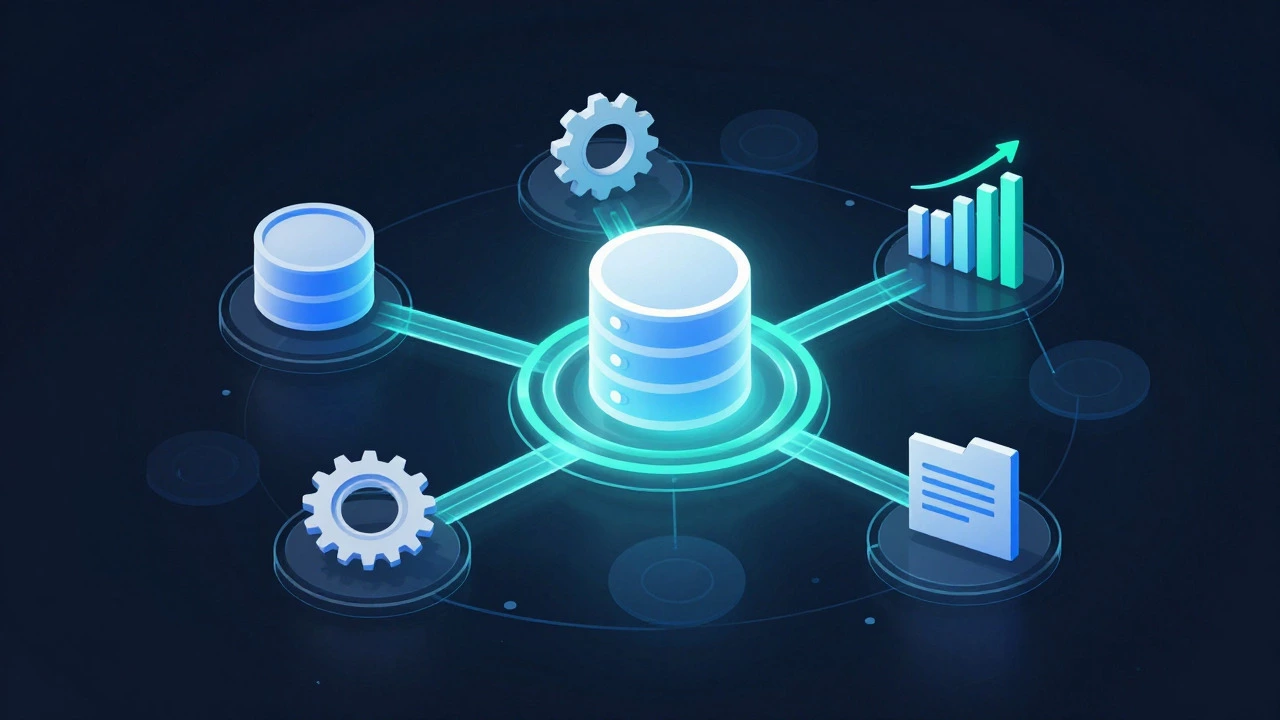
Key Features to Look For in 2026
The technology has evolved significantly. If you are evaluating a platform today, basic video hosting is no longer enough. You need features that drive retention and measurable outcomes.
- Mobile Responsiveness: Over 60% of learners now access content via smartphones. The interface must adapt flawlessly to small screens without losing functionality.
- AI-Driven Personalization: Advanced platforms analyze learning styles and pace. If a student struggles with a concept, the AI suggests remedial micro-lessons automatically.
- Gamification Elements: Badges, leaderboards, and points transform dry compliance training into engaging challenges. This psychological hook increases completion rates by up to 40%.
- Integration Capabilities: The platform should talk to your existing tools. API connections with HR software (like Workday), CRM systems (like Salesforce), or communication tools (like Slack) are non-negotiable for enterprise efficiency.
- Accessibility Compliance: Adherence to WCAG 2.1 AA standards ensures that learners with disabilities can navigate the platform using screen readers and keyboard commands.
Benefits for Organizations and Learners
Why switch from in-person training? The benefits extend beyond convenience.
For organizations, the cost savings are substantial. Traditional training involves travel, venue rentals, printed materials, and lost productivity time. An eLearning platform eliminates these overheads. According to recent industry data, digital training costs approximately 50% less per learner than classroom instruction. Furthermore, consistency is guaranteed. Every employee receives the exact same message, eliminating the variability of human instructors.
For learners, the flexibility is unmatched. You can study at 2 AM or during your lunch break. The ability to pause, rewind, and review complex topics at your own pace leads to deeper comprehension. Additionally, digital credentials earned through reputable platforms are increasingly recognized by employers as valid proof of skills.

Challenges and Pitfalls to Avoid
It is not all smooth sailing. Implementing an eLearning platform comes with hurdles.
Technology Fatigue: If the platform is clunky or slow, users will abandon it. Poor user experience (UX) is the number one reason for low adoption rates. Always request a demo before committing.
Content Quality: A platform is only as good as its content. Dumping slide decks onto a platform does not make it effective eLearning. Invest in instructional design principles that emphasize interaction and storytelling.
Isolation: Online learning can feel lonely. Platforms that lack social features-such as discussion forums, peer reviews, or live Q&A sessions-often suffer from high dropout rates. Ensure your chosen solution fosters community.
Future Trends Shaping the Industry
Looking ahead, the integration of immersive technologies is the next big leap. Virtual Reality (VR) and Augmented Reality (AR) are moving from niche experiments to mainstream applications. Imagine medical students practicing surgeries in VR or mechanics repairing engines through AR overlays, all tracked within the eLearning platform.
Additionally, blockchain technology is being explored for credentialing. Immutable records of achievements stored on a blockchain could simplify verification processes for employers, reducing fraud and administrative burden.
The line between work and learning is blurring. Micro-learning-bite-sized lessons delivered in real-time via mobile notifications-is becoming the standard for just-in-time performance support. Your eLearning platform might soon act less like a school and more like a personal coach embedded in your daily workflow.
What is the difference between an LMS and an eLearning platform?
An LMS is a specific type of eLearning platform focused on management and tracking. The term "eLearning platform" is broader, encompassing LXPs, MOOCs, and other digital learning environments that may not have strong administrative controls.
Do I need technical skills to use an eLearning platform?
No. Modern platforms are designed for ease of use. Learners only need basic computer literacy. Instructors may need some training to upload content effectively, but most systems offer drag-and-drop interfaces and tutorials.
Can eLearning platforms replace face-to-face training entirely?
For theoretical knowledge and compliance, yes. However, for soft skills, complex negotiations, or hands-on physical tasks, blended learning (combining online and offline methods) remains the most effective approach.
How much does an eLearning platform cost?
Costs vary widely. Small businesses might pay $5-$10 per user per month. Enterprise solutions can cost tens of thousands annually depending on customization, storage, and support levels. Many offer free trials.
Are eLearning certifications respected by employers?
Yes, especially if issued by accredited institutions or recognized industry bodies. Certificates from major MOOC providers and specialized professional platforms carry significant weight in hiring decisions.