





Local Government Job Readiness Calculator
Check off the steps you have completed to see how ready you are to apply.
Not Started
Ever wonder why some people seem to land stable, well-paid jobs with great benefits while you’re stuck refreshing job boards? The answer often lies in one place: local government. These roles offer something the private sector rarely matches-job security, work-life balance, and the chance to impact your community directly. But getting hired isn’t as simple as sending out a resume. It’s a different beast entirely.
If you’ve ever tried applying for a city council position or a municipal role, you know the process feels opaque. Where do you even start? What are they really looking for? And why does it take so long? This guide cuts through the noise. We’ll walk you through exactly how to navigate the local government hiring maze, from finding hidden opportunities to acing the interview. No fluff, just actionable steps that actually work.
Why Local Government Jobs Are Worth the Effort
Before we dive into the "how," let’s talk about the "why." Many people overlook local government because they think it’s boring or slow-moving. That’s a huge mistake. Working for a city, county, or municipality means you’re on the front lines of community development. You could be managing urban planning projects, overseeing public health initiatives, or coordinating emergency response teams.
The perks are real too. According to recent labor data, local government employees enjoy higher rates of pension contributions and healthcare coverage compared to their private-sector counterparts. Plus, the turnover rate is significantly lower. Once you’re in, you’re likely to stay. For someone seeking stability in an unpredictable economy, this is gold.
Where to Find Local Government Job Openings
The biggest hurdle? Finding the jobs in the first place. Unlike corporate roles that flood LinkedIn and Indeed, many local government positions live on obscure websites or require specific portals. Here’s where you need to look:
- Official City/County Websites: Every municipality has a "Careers" or "Human Resources" page. Bookmark these for the cities you’re interested in. They post openings here first, often before anywhere else.
- Statewide Job Portals: Many states have centralized databases for all local government vacancies. For example, California uses CalOPPS, while New York has its own unified system. Check if your state has one.
- USAJobs.gov: While primarily for federal roles, USAJobs sometimes lists local government positions, especially those funded by federal grants.
- Professional Associations: Groups like the International City/County Management Association (ICMA) often share job leads relevant to local governance.
Pro tip: Set up email alerts for keywords like "city planner," "public works," or "community liaison" on these sites. Speed matters in government hiring-early applicants often get prioritized.
Understanding the Hiring Process: It’s Not Like the Private Sector
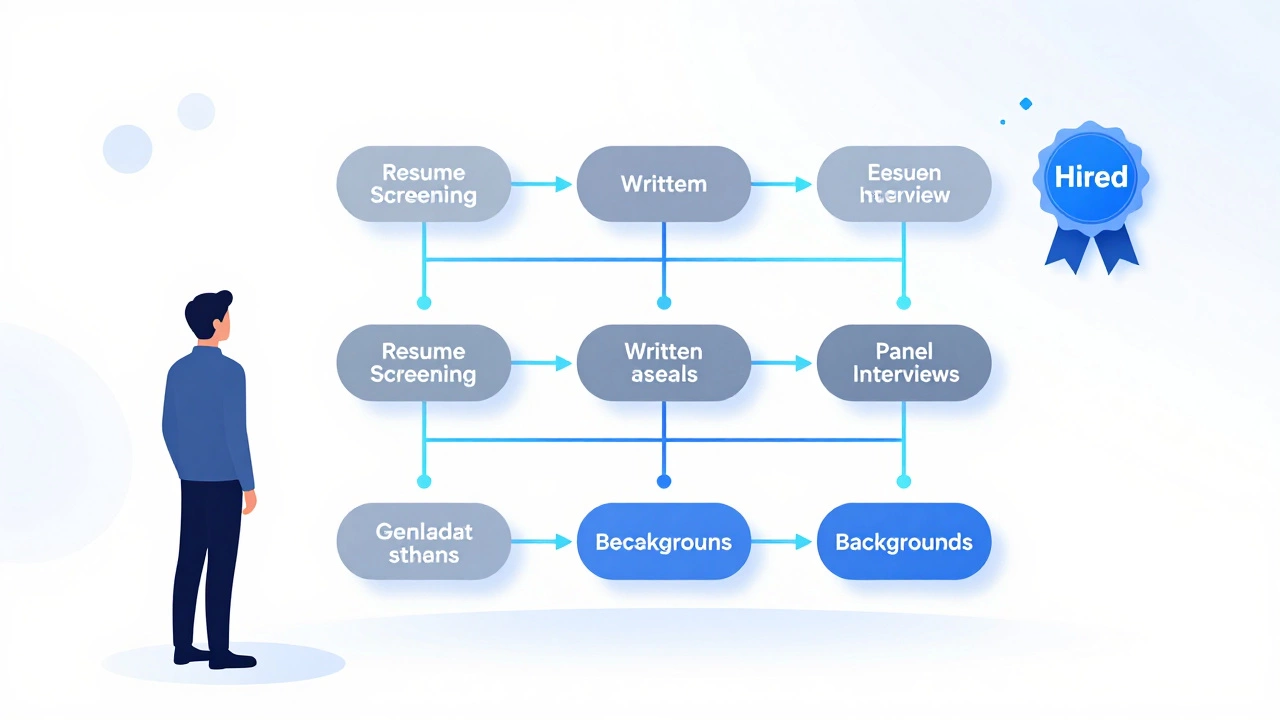
Here’s the truth: local government hiring is bureaucratic by design. It’s meant to be fair, transparent, and resistant to favoritism. That means it’s also slower and more rigid than most private companies. Expect the following stages:
- Job Announcement: Positions are posted publicly for a set period (usually 14-30 days). You must apply within this window. Late applications are typically rejected outright.
- Screening: HR screens resumes against minimum qualifications. If you don’t meet every single requirement listed, you might be automatically disqualified. Yes, it’s that strict.
- Assessment: Many roles require written exams, skills tests, or portfolio reviews. For example, a clerk position might test typing speed and accuracy, while an engineer role could involve a technical case study.
- Interview: Often conducted by a panel rather than a single manager. Questions focus on situational judgment and alignment with public service values.
- Background Check & Reference Verification: Thorough checks are standard. Criminal records, credit history (for financial roles), and professional references are scrutinized.
- Certification: Final candidates may need to complete additional certifications or training before starting.
This process can take three to six months. Patience is key. Don’t ghost the process after two weeks-keep checking your spam folder for updates.
Tailoring Your Resume for Government Applications
Your resume needs to speak the language of bureaucracy. Generic buzzwords won’t cut it. Instead, focus on clarity, compliance, and quantifiable achievements. Here’s how to stand out:
- Mirror the Job Description: Use the exact phrases from the posting. If they ask for "experience in grant management," use that phrase. Applicant Tracking Systems (ATS) used by governments scan for keyword matches.
- Highlight Public Service Experience: Even volunteer work counts. Did you organize a neighborhood cleanup? Serve on a school board? Include it. It shows commitment to community welfare.
- Quantify Impact: Instead of "managed budgets," say "oversaw a $500,000 annual budget with zero discrepancies over three years." Numbers build credibility.
- List Certifications Clearly: Government roles often require specific credentials (e.g., PMP, CPA, CPR certification). Make them easy to find at the top of your resume.
Avoid creative formats. Stick to reverse-chronological order. Government HR departments prefer traditional layouts that are easy to parse quickly.
Nailing the Interview: What Panels Really Want
Government interviews aren’t about charisma-they’re about competence and cultural fit. Interview panels look for candidates who understand the unique pressures of public service. Prepare for these common themes:
- Situational Questions: "How would you handle a complaint from an angry resident?" Focus on empathy, procedure, and resolution. Show you follow protocols but also care about outcomes.
- Policy Knowledge: Be ready to discuss local laws, regulations, or current issues affecting the jurisdiction. Read the city’s strategic plan-it’s usually online.
- Diversity & Inclusion: Public agencies prioritize equitable service delivery. Share examples of how you’ve worked with diverse groups or addressed bias.
- Transparency & Ethics: Emphasize integrity. Mention times you adhered to ethical guidelines even when it was inconvenient.
Dress professionally. Conservative business attire is safest. Arrive early. Bring copies of your resume and any required documents. Treat the panel with respect-they represent the community you want to serve.
| Factor | Local Government | Private Sector |
|---|---|---|
| Hiring Timeline | 3-6 months | 2-8 weeks |
| Decision Maker | Panel/Hiring Committee | Manager/HR |
| Qualification Rigidity | Strict adherence to requirements | Flexible based on potential |
| Benefits Package | Pension, generous leave, healthcare | Variable, often stock options |
| Job Security | High (union protections common) | Lower (market-dependent) |

Networking in the Public Sector
Yes, networking matters-even in government. While nepotism is frowned upon, knowing the right people can give you insider knowledge about upcoming roles or unadvertised opportunities. How to network effectively:
- Attend Town Hall Meetings: Introduce yourself to officials. Ask thoughtful questions. Follow up with a polite email expressing interest in working for the department.
- Join Civic Organizations: Rotary Clubs, Kiwanis, or local chambers of commerce connect you with influential community members.
- Volunteer Strategically: Offer your skills to non-profits that partner with local government. You’ll build relationships with agency staff who might hire later.
- LinkedIn Engagement: Connect with current employees. Comment on their posts. Send personalized messages asking for informational interviews-not jobs.
Remember: Networking isn’t about asking for favors. It’s about building genuine connections. People hire those they trust and like.
Common Pitfalls to Avoid
Even qualified candidates stumble due to avoidable mistakes. Steer clear of these:
- Missing Deadlines: Government postings expire strictly. Apply early.
- Ignoring Instructions: If they ask for three references, provide exactly three. Deviating signals poor attention to detail-a critical flaw in public admin.
- Underestimating Background Checks: Disclose past issues proactively. Hiding them leads to automatic rejection.
- Being Too Casual: Maintain professionalism in all communications. Emails should be formal. Social media profiles should be clean.
Next Steps: Your Action Plan
Ready to start? Here’s your checklist:
- Identify 3-5 municipalities you’re interested in.
- Bookmark their HR/careers pages.
- Update your resume using government-friendly formatting.
- Research current local policies and challenges.
- Set up job alerts and check weekly.
- Practice answering situational interview questions.
Getting a job in local government takes persistence, but the payoff is immense. You’ll gain stability, purpose, and the satisfaction of serving your community. Start today-the next opportunity could be posted tomorrow.
How long does it take to get hired by local government?
The hiring process typically takes between 3 to 6 months. This includes posting the vacancy, screening applications, conducting assessments and interviews, performing background checks, and finalizing offers. Some urgent roles may move faster, but patience is essential.
Do I need a degree to work in local government?
It depends on the role. Administrative, clerical, and maintenance positions often require only a high school diploma or equivalent. Professional roles like urban planning, engineering, or law enforcement usually demand bachelor’s degrees or specific certifications. Always check the job description for minimum education requirements.
Can I apply for multiple local government jobs at once?
Yes, absolutely. Applying to multiple jurisdictions increases your chances. However, tailor each application carefully. Copy-pasting generic resumes will hurt your prospects. Customize your cover letter and highlight relevant experience for each specific role.
What happens if I fail the background check?
Failure usually results in disqualification. Common reasons include undisclosed criminal convictions, falsified information, or poor credit history (for financial roles). If you have past issues, disclose them honestly during the application. Some agencies consider mitigating circumstances, especially for older offenses.
Are local government jobs unionized?
Many are, particularly in larger cities. Unions negotiate salaries, benefits, and working conditions. Being part of a union provides job protection and grievance procedures. Check if the specific department you’re applying to is represented by a union like AFSCME or SEIU.