



There’s no single magic trick to teaching English. But there are methods that work-consistently, for real people, in real classrooms and homes. If you’ve tried flashcards, grammar drills, or apps that promise fluency in 30 days, you know they often leave learners stuck. The truth? The best way to teach English isn’t about rules. It’s about communication.
Start with Real Conversations, Not Textbooks
Most English courses begin with verb conjugations, irregular plurals, and passive voice. But how many learners actually use those in daily life? A 2023 study from the University of Auckland tracked 200 adult learners over six months. Those who started with simple, goal-driven conversations-like ordering coffee, asking for directions, or explaining their job-showed 40% faster progress in fluency than those who studied grammar first.Forget memorizing lists. Instead, give learners a task: ‘Ask three people what they did last weekend.’ They’ll naturally pick up past tense, question forms, and common phrases. They’ll also learn how to handle misunderstandings, which is far more valuable than knowing the difference between ‘have been’ and ‘had been.’
Listen More Than You Speak
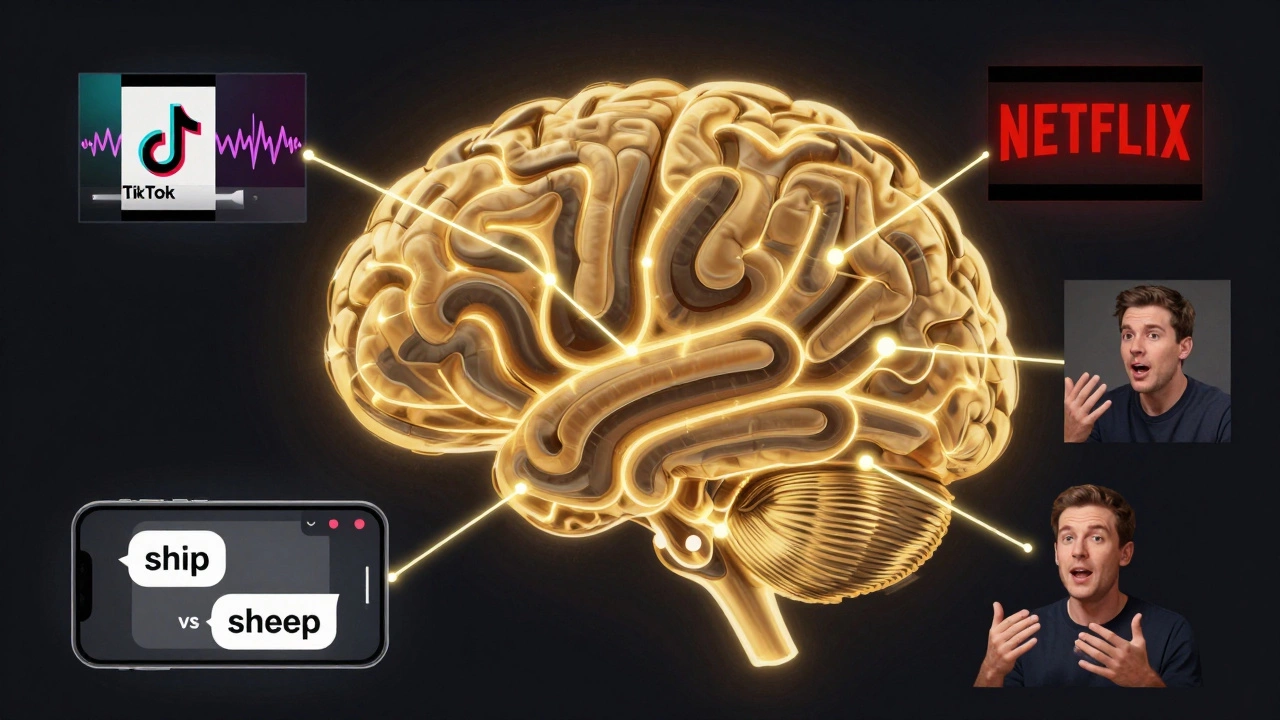
Teachers often feel pressure to talk a lot. But the best English teachers listen. More than 70% of language learning happens through input-what learners hear and read. Exposure to natural speech patterns matters more than perfect grammar.Use short, authentic videos: a TikTok clip of someone explaining their morning routine, a podcast snippet from a New Zealand local talking about the weather, or a scene from a Netflix show with subtitles turned on. Play it once. Ask: ‘What did you understand?’ Not: ‘What verb tense was that?’ Let them guess meaning from context. That’s how kids learn their first language-and it works for adults too.
Focus on Pronunciation Early
Many learners can write perfect sentences but get lost in conversation because their pronunciation doesn’t match what native speakers say. The problem isn’t accent-it’s intelligibility.Teach the sounds that cause the most confusion: /θ/ and /ð/ (think ‘think’ vs. ‘this’), the ‘r’ sound in American English, and vowel length (‘ship’ vs. ‘sheep’). Use minimal pairs: ‘bat’ and ‘pat’, ‘light’ and ‘right’. Record learners saying them. Play it back. They’ll hear the difference themselves. No need for fancy tools-just a phone and 5 minutes a day.
Build Confidence, Not Perfection
Fear of making mistakes kills progress. I’ve seen students freeze during role-plays because they’re worried about saying ‘I goed’ instead of ‘I went.’ But in real life, no one cares. They care if they understand you.Create a safe space where errors are normal. Celebrate attempts: ‘You got the meaning across-that’s what matters.’ Use games like ‘Two Truths and a Lie’ or ‘Describe Your Dream House’ where the goal is to communicate, not to be flawless. The more they speak without fear, the faster they’ll improve.
Use Their World, Not Yours
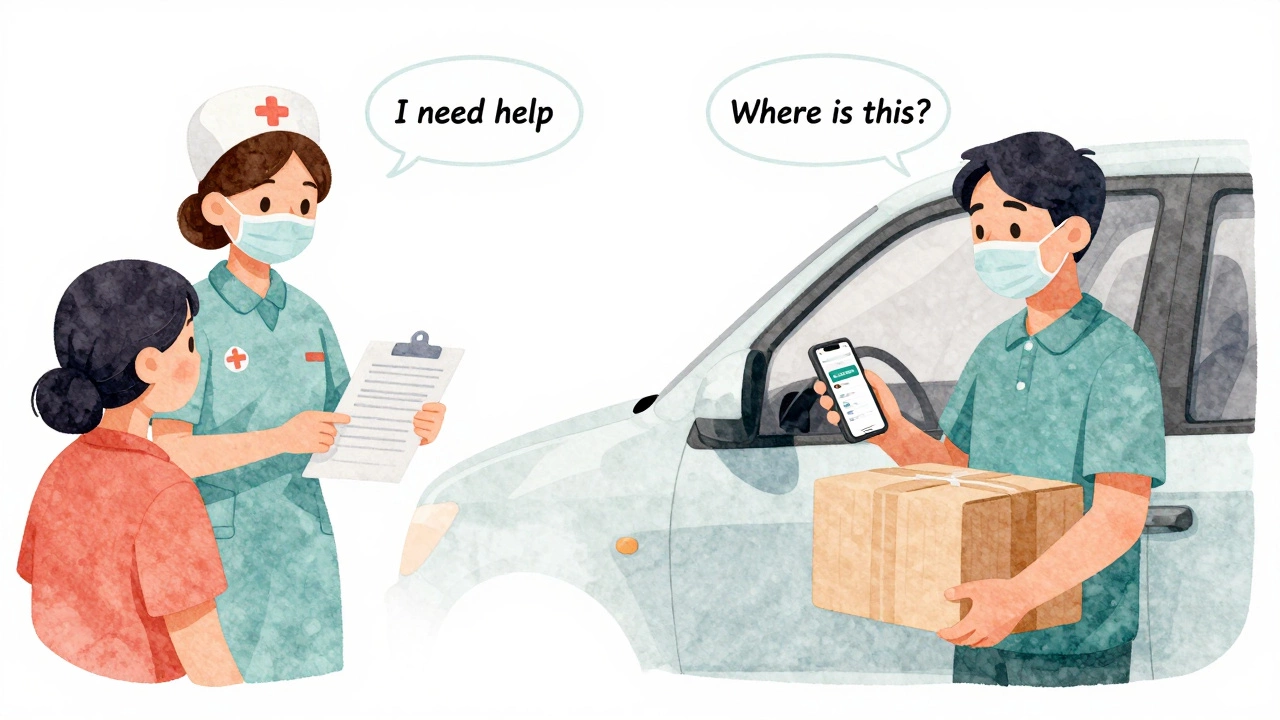
Teaching English to a nurse? Talk about shift schedules, patient care, and hospital forms. Teaching a student? Use school projects, exam stress, or social media trends. One-size-fits-all lessons fail because they ignore the learner’s life.Ask: ‘What do you need English for?’ Then build lessons around that. A delivery driver needs to understand addresses and time phrases. A parent needs to talk to teachers. A freelancer needs to write emails. Tailor content to real needs, and motivation stays high.
Repeat, But Not the Same Way
Repetition is key-but boring repetition kills interest. Repeating the same dialogue 10 times won’t help. But using the same vocabulary in different contexts? That sticks.Teach ‘I need to’ in a shopping scenario, then in a doctor’s office, then when asking for help at the airport. Use the same phrase in writing, speaking, listening, and even drawing a picture of it. The brain learns through variety, not repetition.
Technology Helps-But Doesn’t Replace People
Apps like Duolingo or Memrise are great for vocabulary drills. But they can’t teach tone, timing, or how to recover when someone doesn’t understand you. Human interaction is irreplaceable.Use tech as a tool: assign short listening tasks, give feedback via voice notes, or use AI chatbots for low-pressure practice. But always follow up with real conversation. A 2024 study in Japan found learners who combined app use with weekly 30-minute chats with native speakers improved twice as fast as those who used apps alone.
Track Progress Differently
Don’t measure success by test scores. Measure it by what learners can do now that they couldn’t before.Can they call a bank and ask about fees? Can they explain their health issue to a doctor? Can they give a short presentation at work? These are real wins. Keep a simple journal: ‘This week, I asked for help with my internet.’ That’s progress.
What Doesn’t Work
Avoid these common traps:- Correcting every mistake during speaking-interrupts flow and kills confidence.
- Using only textbook dialogues-real people don’t speak like scripts.
- Focusing on grammar rules before learners can form simple sentences.
- Teaching too many new words at once-8-10 per lesson is enough.
- Skipping listening practice-speaking without listening is like trying to draw without seeing.
Quick Start: 5 Actions to Try Tomorrow
- Start class with a 3-minute chat about something personal: weekend plans, favorite food, last movie watched.
- Play a 60-second audio clip from a local radio station-ask learners what they understood.
- Teach one pronunciation sound and have learners record themselves saying 5 words with it.
- Give learners a real-life task: ‘Find out how to return something online.’
- End class by asking: ‘What’s one thing you said today that you couldn’t say last week?’
There’s no secret formula. The best method to teach English is simple: get people talking, listening, and using the language for things that matter to them. Not for tests. Not for grades. For life.
Is immersion the best way to learn English?
Immersion helps-but only if it’s active. Sitting in an English-speaking country and watching TV isn’t enough. You need to speak, ask questions, and make mistakes. Real immersion means forcing yourself to use English for daily tasks: buying groceries, asking for help, making small talk. Passive exposure won’t build fluency. Active use will.
Should I teach grammar at all?
Yes-but not first, and not as the main focus. Teach grammar when learners need it to express something they can’t yet say. For example, if they keep saying ‘I go yesterday,’ introduce past tense then. Grammar is a tool for communication, not a set of rules to memorize. Most learners pick up grammar naturally through repeated use, not through drills.
How long does it take to become fluent in English?
Fluency isn’t a finish line-it’s a range. Most learners reach basic conversational fluency (handling everyday situations) in 6-12 months with consistent practice. Advanced fluency (understanding accents, slang, and complex topics) takes 2-3 years. The key isn’t time-it’s frequency. 20 minutes a day, every day, beats 3 hours once a week.
Are online English courses effective?
They can be-but only if they include live interaction. Pre-recorded lessons with quizzes won’t build speaking skills. Look for courses that offer real-time conversation practice with teachers or language partners. The best online programs combine structured lessons with weekly 1-on-1 sessions. Without human feedback, learners plateau quickly.
What’s the biggest mistake teachers make?
Trying to be perfect. Teachers often correct every error, speak too slowly, or avoid complex topics because they think learners aren’t ready. But learners learn by pushing limits. Let them try. Let them fail. Your job isn’t to fix every mistake-it’s to keep them talking. Confidence grows faster than accuracy.
Can adults learn English as well as children?
Yes-but differently. Children absorb language through play and repetition. Adults learn through logic and relevance. Adults pick up vocabulary faster and understand grammar rules quicker. But they’re more afraid of sounding silly. The key for adult learners is connecting English to their identity, goals, and daily life. When they see it as a tool-not a school subject-they learn faster.
Next Steps
If you’re a teacher: pick one method from this article and try it next week. Maybe it’s starting class with a 3-minute chat. Maybe it’s recording pronunciation. See what changes.If you’re learning: find one real-life situation where you need English this week. Call someone. Send a message. Ask a question. Don’t wait until you’re ‘ready.’ You’ll never be ready. You’ll get better by doing.
English isn’t about being perfect. It’s about being understood. And that’s something anyone can learn-with the right method, and the right mindset.